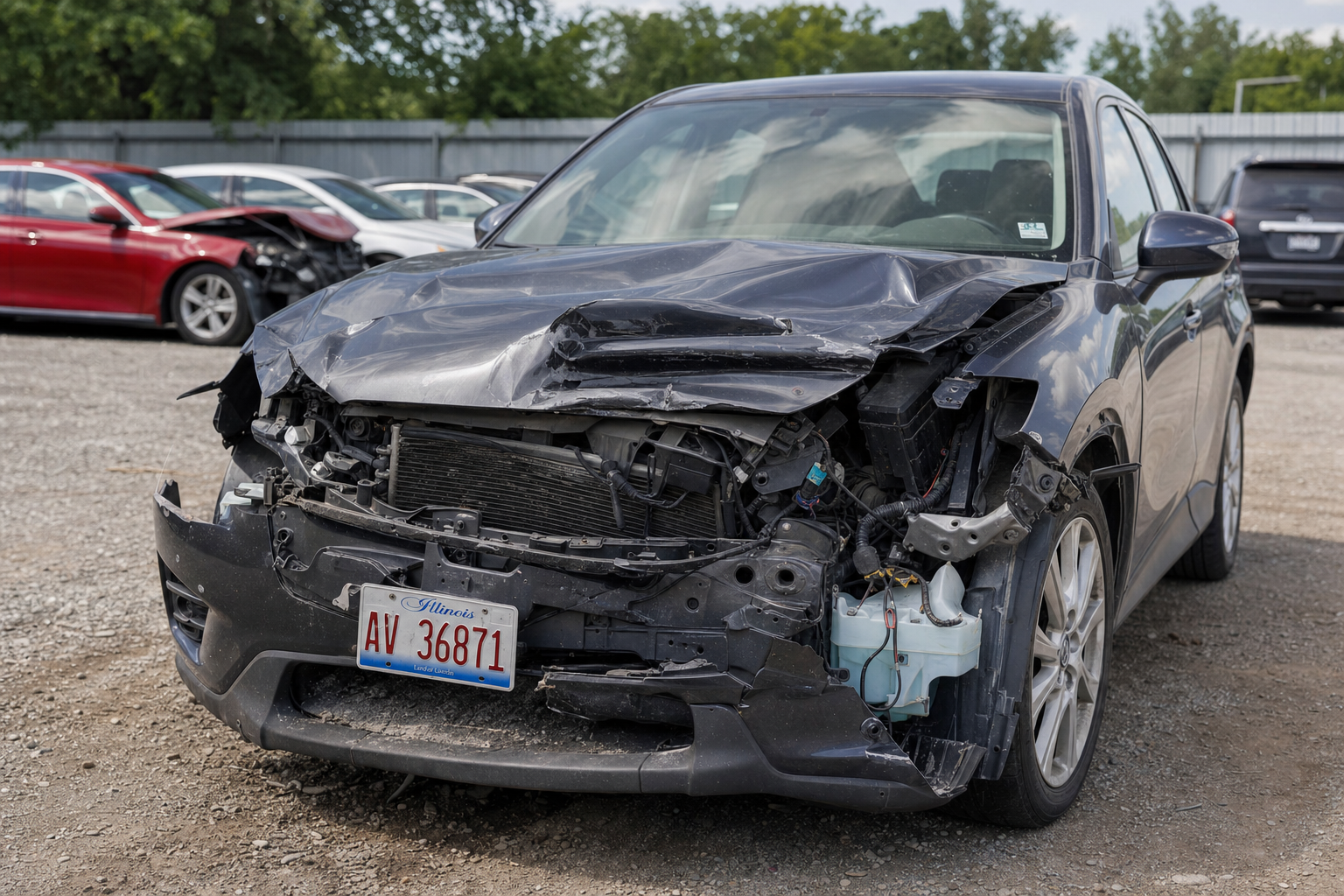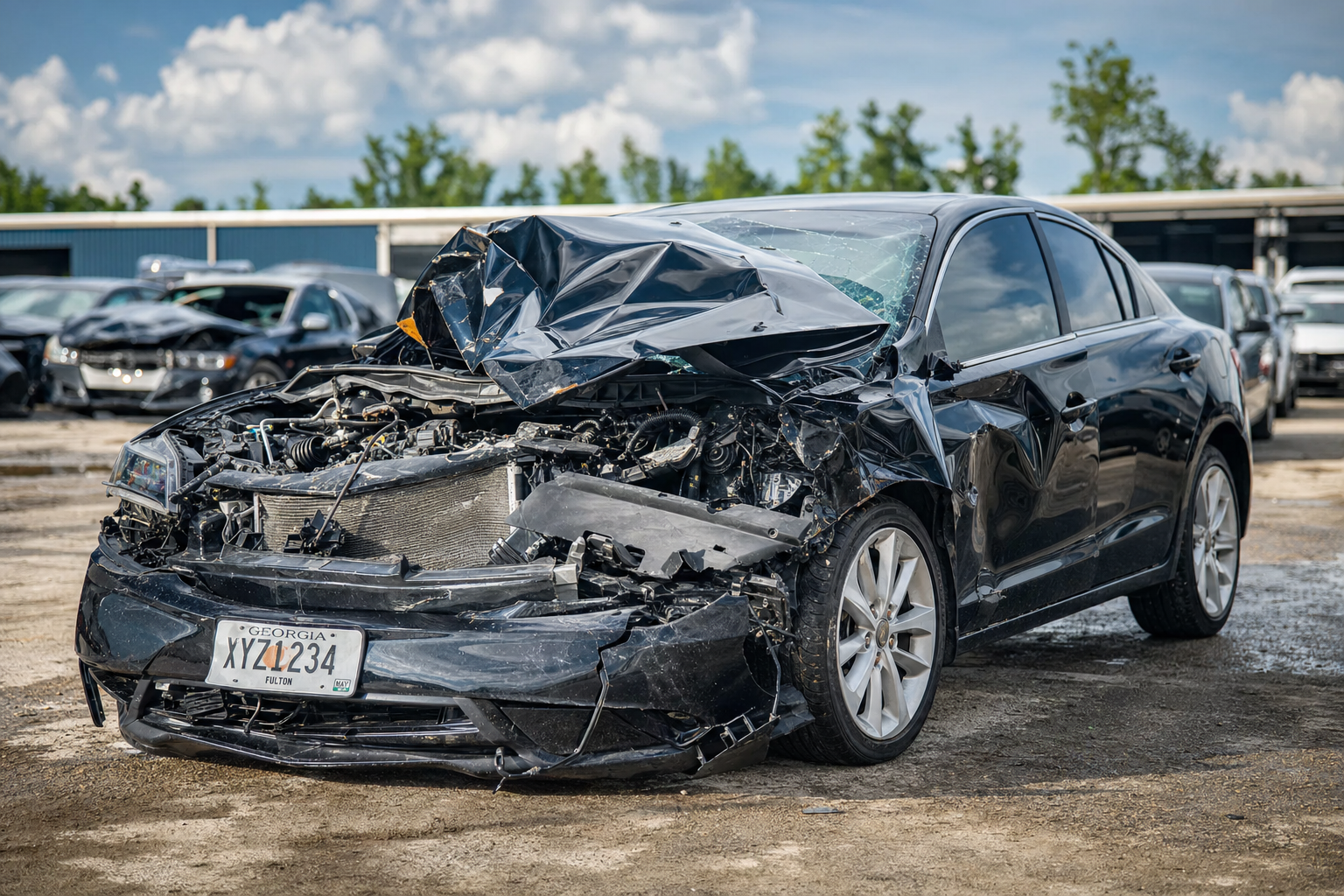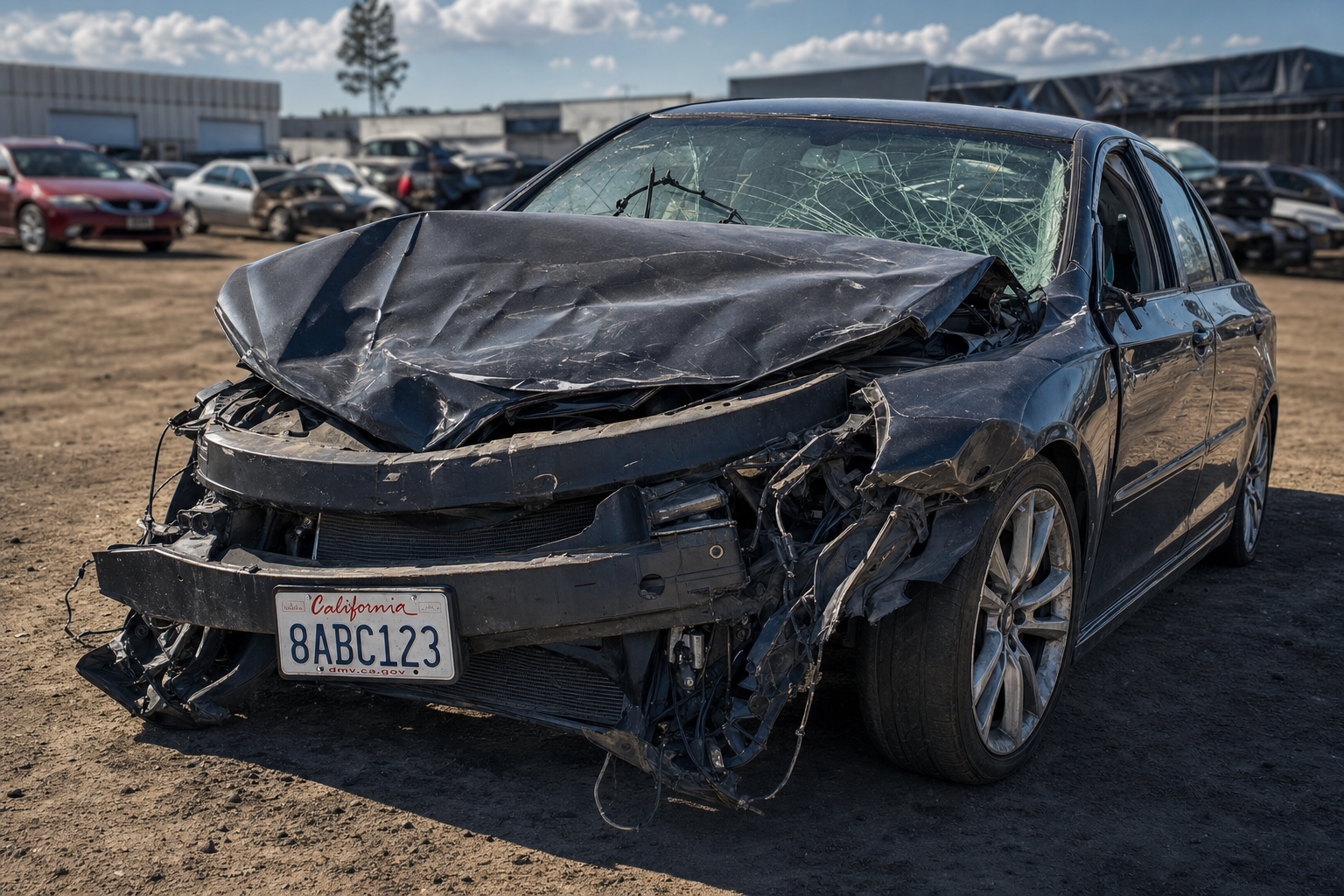
In California, a vehicular accident can lead to significant financial and emotional stress, especially if your vehicle is declared a total loss. Understanding the California total loss threshold is crucial for car owners navigating through insurance claims post-accident. This article provides an in-depth look at what constitutes a total loss under California law and explores how this designation can impact car owners.
What is the California Total Loss Threshold?
The “California total loss threshold” refers to the criteria under which a vehicle is considered irreparably damaged by insurance standards, effectively deeming it a “total loss.” This determination plays a crucial role in how claims are handled by insurance companies following an accident.
California Total Loss Law: Defining Total Loss in California
The “California total loss law” refers to the criteria used by insurance companies to determine whether a vehicle is a total loss after an accident. In California, a vehicle is typically declared a total loss if the cost of repairs plus the salvage value exceeds the actual cash value (ACV) of the vehicle before the accident. However, California uses a specific formula to make this determination. The California Department of Insurance regulates this process, ensuring that all practices adhere to the state’s legal standards.
It is important to know that according to California total loss law, vehicle owners have the right to a fair assessment and can dispute the insurer’s decision or the calculated ACV. They may seek a second opinion or hire an independent appraiser to provide a competitive quote.
Calculating Total Loss
To understand whether a vehicle meets the total loss criteria, insurers evaluate the following factors:
- Actual Cash Value (ACV): This is the vehicle’s market value just before the accident, considering depreciation.
- Cost of Repairs: Includes all expenses required to restore the vehicle to its pre-accident condition.
- Salvage Value: The estimated value of the vehicle’s parts and metal after it has been declared a total loss.
Total Loss Formula (TLF)
California employs the Total Loss Formula (TLF), which compares the cost of repairing the vehicle plus its salvage value to the actual cash value (ACV) of the vehicle before the accident. If the sum of the repair cost and the salvage value equals or exceeds the ACV, the vehicle is deemed a total loss.
Example of Total Loss Calculation
To illustrate, imagine a car with a pre-accident value of $15,000. If it sustains damages that cost $10,000 to repair and the salvage value post-accident is $6,000, the total loss calculation would be:
- Repair Cost: $10,000
- Salvage Value: $6,000
- Total: $16,000
Since $16,000 (total of repair cost and salvage value) is greater than the $15,000 (ACV), the car would be considered a total loss under California law.
Criteria for Determining Total Loss in California
Understanding the specifics that insurers consider when determining a total loss can empower vehicle owners. These criteria include:
- Extent of Damage: The more extensive the damage, the more likely the vehicle is to be declared a total loss.
- Type of Vehicle: Older vehicles with higher mileage are more likely to be declared a total loss due to lower ACV.
- State Regulations: Compliance with California’s specific requirements and thresholds plays a critical role in this determination.
Implications of the Total Loss Threshold for Car Owners
The determination of a total loss can significantly impact car owners. Here’s how:
Financial Impact
When a vehicle is declared a total loss, the insurance payout is generally equal to the ACV, not the replacement cost. This amount may not always align with the owner’s expectations or the vehicle’s replacement cost, leading to potential financial shortfalls.
Replacement and Reinvestment
Car owners will need to manage the funds received to replace their vehicle. This scenario often involves negotiating with insurance companies or seeking additional financing to cover the cost of a replacement vehicle that matches the quality and features of the totaled car.
Insurance Premium Adjustments
Following a total loss claim, vehicle owners might experience changes in their insurance premiums. Factors such as the owner’s claims history and the nature of the accident could influence future premium calculations.
Navigating Insurance Claims and Settlements
Dealing with insurance claims can be daunting. Here’s how you can navigate the process effectively:
- Documentation: Keep all records related to the vehicle’s condition and repair estimates.
- Assessment: Get a professional assessment of your vehicle’s value pre- and post-accident.
- Negotiation: Be prepared to negotiate with the insurance company based on the ACV and repair estimates.
How Auto Claim Consultants Can Help
The California total loss threshold is a pivotal factor for vehicle owners facing the aftermath of an accident. Understanding this threshold, how it is calculated, and its implications can significantly influence the financial and practical outcomes of a total loss situation.
At Auto Claim Consultants, we specialize in total loss valuations and diminished value claims. Our expertise ensures that you achieve the highest possible payout for your totaled vehicle. If your car has been totaled and you are seeking to maximize your insurance payout, contact Auto Claim Consultants today. Our team is dedicated to providing you with the support and guidance necessary to navigate your claim successfully and secure the compensation you deserve.
For more information or to start maximizing your claim, visit Auto Claim Consultants today. Let us help you turn a stressful situation into a manageable one, ensuring you get the best possible outcome from your total loss claim.
FAQs
The ACV is calculated based on the pre-accident market value of the vehicle, taking into account factors such as age, mileage, and overall condition. Insurance companies often use databases and valuation tools to assess this value fairly and accurately.
Yes, you can dispute the total loss determination if you believe that the valuation of your vehicle was inaccurately assessed. Consulting with an expert like Auto Claim Consultants can help you challenge the insurer’s decision and potentially increase your payout.
If your vehicle is financed and declared a total loss, the insurance payout will go towards paying off the loan balance first. If the payout does not cover the entire balance, you will be responsible for paying the remaining amount unless you have gap insurance, which covers this shortfall.
The time it takes to settle a total loss claim can vary, but insurance companies in California are generally required to resolve claims promptly. Typically, once a vehicle is declared a total loss, the settlement should be completed within a few weeks, depending on the complexity of the claim and the responsiveness of all parties involved.
If you disagree with the salvage value assigned to your totaled vehicle, you have the right to negotiate with your insurer or seek a second opinion. Companies like Auto Claim Consultants specialize in negotiating these types of valuations to ensure you receive a fair assessment.
A total loss claim can affect your future insurance premiums, especially if you are determined to be at fault for the accident. Premium adjustments will vary based on your overall driving record, the details of the current claim, and the policies of your insurance provider.
For a total loss claim, you should gather your vehicle’s title, registration, any loan payoff information, your insurance policy documents, and receipts for any recent major repairs or upgrades. Having these documents readily available can expedite the claims process.