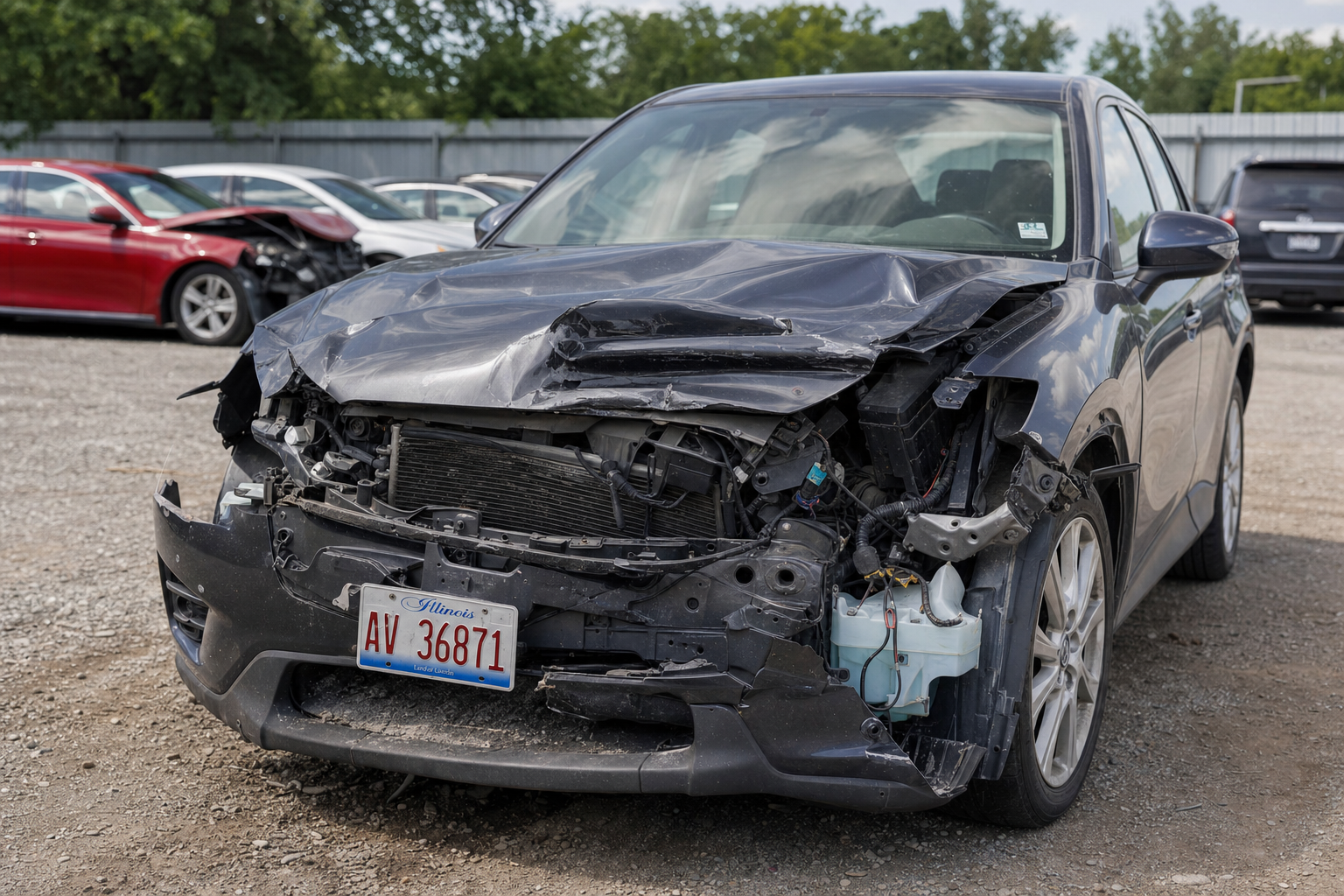
Dealing with an Allstate total loss claim can feel overwhelming, especially when you are trying to understand how your vehicle was valued, who handles the claim, how the payout works, and what options you have if the settlement offer seems lower than expected. A total loss decision can affect your transportation, loan balance, vehicle title, and ability to replace your car, so it is important to understand the process before accepting a settlement.
This guide explains the Allstate total loss policy, how Allstate insurance typically handles payouts after a total loss, how to work with an Allstate total loss adjuster, when to call the Allstate total loss phone number, and what steps you can take if you disagree with the valuation. It also explains how an independent auto appraisal may help provide a supportable, market-based valuation opinion.
How Does Allstate Decide a Vehicle Is a Total Loss?
An Allstate total loss generally occurs when a vehicle is damaged so severely that repairs are not economically practical or the vehicle cannot be safely repaired. In many total loss evaluations, the key comparison is between the vehicle's actual cash value, the estimated cost of repairs, and the expected salvage value.
In simple terms, Allstate may consider a vehicle a total loss when:
- The repair cost is greater than the vehicle's current market value.
- The repair cost plus salvage value exceeds the vehicle's actual cash value.
- The vehicle cannot be repaired safely.
- State-specific total loss rules require the vehicle to be declared totaled.
Actual cash value, often shortened to ACV, is the estimated market value of the vehicle immediately before the accident or loss. It is not the original purchase price, the loan balance, or the cost of buying a brand-new replacement vehicle.
How the Allstate Total Loss Policy Works
The Allstate total loss policy is centered on determining the vehicle's pre-loss actual cash value and then issuing payment based on the terms of the policy. If your claim is covered, Allstate typically pays the actual cash value of the vehicle minus your deductible.
The total loss process usually includes several steps:
- You file the claim: You can file or track an Allstate claim online, through your account, through the mobile app, or by contacting Allstate directly.
- Allstate inspects or reviews the damage: The claim may involve repair estimates, photos, shop input, or an in-person inspection.
- Allstate determines whether the vehicle is repairable or totaled: If the vehicle meets the total loss standard under the policy and applicable state rules, the claim moves into the total loss settlement process.
- Allstate calculates the vehicle's actual cash value: This valuation may involve market data, vehicle details, condition, mileage, options, and third-party valuation tools.
- A settlement offer is presented: The offer usually reflects the ACV minus your deductible, with taxes, fees, lienholder payments, and salvage handling addressed according to your policy and state requirements.
- Ownership and title documents are completed: If Allstate takes possession of the salvage vehicle, you may need to sign over the title and complete power-of-attorney or other required documents.
How Allstate Determines Actual Cash Value
The actual cash value in an Allstate total loss claim is intended to reflect what your vehicle was worth immediately before the accident. Allstate may use vehicle information, market research, and third-party valuation software to estimate that value.
Common valuation factors include:
- Year, make, model, and trim
- Mileage
- Vehicle condition before the loss
- Factory options and packages
- Prior accident history
- Title history
- Local comparable vehicle listings
- Regional market conditions
- Recent repairs or maintenance, when properly documented
Allstate is commonly associated with third-party valuation tools such as CCC One in total loss claims. These reports may compare your vehicle to similar vehicles in the market and then apply adjustments for mileage, condition, options, and other value differences.
Because the final number depends heavily on the information entered into the valuation system, it is important to review the report carefully. An incorrect trim level, missing option package, understated condition rating, or weak comparable vehicle selection may affect the final valuation opinion.
How the Allstate Total Loss Payout Works
The typical Allstate total loss payout is based on the vehicle's actual cash value minus your deductible. Depending on your state and policy, the settlement may also address sales tax, title fees, registration fees, and other required charges.
A simplified payout formula may look like this:
Actual Cash Value – Deductible = Estimated Total Loss Settlement
For example, if Allstate values your vehicle at $20,000 and your deductible is $1,000, the estimated settlement before any applicable taxes, fees, lienholder payments, or salvage deductions may be $19,000.
If the vehicle is financed or leased, the settlement may be paid to the lender or leasing company first. If the settlement is more than the loan balance, the remaining amount may be paid to you. If the settlement is less than the loan balance, you may still owe the difference unless you have Guaranteed Asset Protection, commonly called GAP insurance.
What Happens If You Still Owe Money on the Vehicle?
If your vehicle has an active loan or lease, the lienholder has a legal interest in the vehicle. This means Allstate may need to communicate with your lender before the claim can be finalized.
In many financed vehicle claims:
- Allstate confirms the payoff amount with the lender.
- The settlement is issued to the lender first.
- Any remaining settlement balance may go to you.
- If the loan balance is higher than the ACV settlement, you may be responsible for the difference.
- GAP coverage may help with the remaining loan balance if it applies.
This is one reason policyholders are sometimes surprised by the final payment. A total loss settlement is based on the vehicle's actual cash value under the policy, not the amount still owed on the loan.
Working With an Allstate Total Loss Adjuster
An Allstate total loss adjuster is the person or claim representative who helps manage the total loss portion of the claim. This may include explaining the valuation, requesting documents, answering settlement questions, coordinating title paperwork, and communicating next steps.
When speaking with an Allstate total loss adjuster, it is helpful to ask clear, specific questions, such as:
- Can I receive the full valuation report?
- Which comparable vehicles were used?
- How were mileage, condition, and options adjusted?
- Are taxes and title fees included in the settlement?
- What deductible was applied?
- What documents do you still need from me?
- How is the lender being paid?
- What happens if I want to keep the vehicle?
- Is there an appraisal clause or dispute process in my policy?
Keep records of claim-related conversations, emails, letters, valuation reports, and settlement documents. Organized documentation can help if you later need to review or dispute the valuation.
Allstate Total Loss Phone Number and Claim Contact Options
If you need to file a claim, track a claim, or speak with someone about your total loss claim, the general Allstate total loss phone number is typically Allstate's claims line:
1-800-255-7828
You can also use Allstate's online claim portal to file or track a claim. If you already have a claim number, you may be able to access claim updates, upload documents, and view next steps through Allstate's online tools.
When calling the Allstate total loss phone number, have the following information ready:
- Claim number, if available
- Policy number
- Vehicle year, make, model, and VIN
- Accident date
- Lender or leasing company information
- Current vehicle location
- Title status
- Contact information for your repair facility, if applicable
The more organized you are, the easier it may be to get specific answers about your claim status and required documents.
Can You Keep Your Vehicle After an Allstate Total Loss?
In some cases, you may be allowed to keep your vehicle after an Allstate total loss. This is often referred to as owner-retained salvage. If you retain the vehicle, Allstate may deduct the salvage value from your settlement.
A simplified retained salvage formula may look like this:
Actual Cash Value – Deductible – Salvage Value = Owner-Retained Settlement
Before deciding to keep a totaled vehicle, consider:
- Whether your state requires a salvage title
- Whether the vehicle must pass inspection before being driven again
- Whether repairs are safe and financially reasonable
- Whether future insurance coverage may be limited
- Whether resale value will be reduced
- Whether hidden structural or electrical damage may exist
Keeping a totaled vehicle may make sense in some situations, but it can also create title, repair, insurance, and resale complications. Review your state's salvage title rules before making this decision.
How Long Does an Allstate Total Loss Payout Take?
The timing of an Allstate total loss payout depends on the claim facts, document completion, title status, lienholder response, and whether the valuation is disputed. Once the necessary paperwork is completed and the settlement is accepted, payment is often processed within a relatively short period, though timing can vary by claim and state.
Delays may happen if:
- The title is missing or has errors.
- The vehicle has an active lien.
- The lender has not provided a payoff amount.
- The owner wants to retain salvage.
- Required documents are incomplete.
- The valuation is being disputed.
- There are coverage or liability questions.
To help avoid delays, respond promptly to document requests and ask the Allstate total loss adjuster for a written checklist of what is still needed.
Why an Allstate Total Loss Valuation May Seem Low
Many policyholders are surprised when the total loss offer is lower than expected. That does not automatically mean the valuation is wrong, but it does mean the report should be reviewed carefully.
Common reasons an Allstate total loss valuation may seem low include:
- Comparable vehicles are not truly similar.
- The wrong trim or package was used.
- Factory options were omitted.
- Mileage adjustments appear too aggressive.
- The condition rating does not reflect the vehicle's pre-loss condition.
- Local market listings show higher values.
- Recent major repairs were not considered.
- The valuation includes deductions that need explanation.
- The report does not reflect unusual vehicle demand in your area.
The most effective response is to identify specific valuation concerns and support them with documentation.
Tips for Reviewing and Negotiating an Allstate Total Loss Valuation
Negotiating an Allstate total loss valuation is not about assuming the insurer's number is wrong. It is about reviewing the report objectively and presenting a supportable valuation opinion if the data does not appear to reflect the market.
Helpful steps include:
- Request the complete valuation report, not just the settlement summary.
- Confirm the year, make, model, trim, mileage, drivetrain, and options.
- Review the condition rating and compare it with your pre-loss photos and records.
- Check whether comparable vehicles are truly similar.
- Look for missing features, packages, or recent repairs.
- Gather local comparable listings from reputable sources.
- Organize your evidence in writing.
- Ask the Allstate total loss adjuster to explain any unclear deductions or adjustments.
- Review whether an independent appraisal may assist.
A strong valuation response should be factual, organized, and market-based. Avoid relying only on general statements such as "my car was worth more." Instead, explain why specific data in the report should be corrected or reconsidered.
What to Do If You Disagree With an Allstate Total Loss Valuation
If you disagree with an Allstate total loss valuation, start by asking for the full written valuation report. You need to see how the number was calculated before you can evaluate whether the offer is reasonable.
Review the report line by line. Check the vehicle description, mileage, trim, equipment, condition ratings, comparable vehicles, deductions, taxes, fees, and salvage value if applicable. Make notes about anything that appears incorrect, incomplete, or unsupported.
Next, gather your own evidence. This may include:
- Comparable market listings
- Local dealer quotes
- Maintenance records
- Receipts for recent repairs
- Photos showing pre-loss condition
- Window sticker or build sheet
- Vehicle history report
- Documentation of factory options or packages
Then send a written response to the Allstate total loss adjuster. Keep the tone professional and specific. Identify each issue, attach supporting documents, and request a review of the valuation.
If the dispute continues, review your insurance policy for an appraisal clause or dispute resolution provision. Policy language varies, but an appraisal clause may allow each side to select an appraiser and follow a defined process to resolve disagreements about vehicle value.
Before moving forward, it may be helpful to reach out to an independent auto appraiser. An independent market-based appraisal can provide an objective review of vehicle value, identify report errors, and provide valuation findings supported by market data.
How an Independent Auto Appraiser Can Help With an Allstate Total Loss Claim
An independent auto appraiser can provide a documented appraisal review when a policyholder has concerns about an Allstate total loss valuation. This can be especially useful when the vehicle has unique options, unusually low mileage, strong maintenance history, recent repairs, or a market position that may not be fully reflected in the insurer's report.
An independent appraisal may include:
- A fair market value analysis
- Review of the insurer's valuation report
- Comparable vehicle research
- Condition and equipment review
- Mileage and option analysis
- Supportable valuation opinion
- Written documentation that can be shared with the claim representative
The goal is not to guarantee a different outcome. The goal is to provide independent appraisal support based on available vehicle information, market data, and accepted appraisal methodology.
About Auto Claim Consultants
Auto Claim Consultants is an independent auto appraisal and valuation service that provides unbiased vehicle valuations for total loss and diminished value claims nationwide. We focus on fair, accurate, supportable, market-based opinions that help policyholders better understand the value of their vehicle in the claims process.
Our appraisal services include objective review of vehicle value, documented appraisal review, comparable market research, and valuation findings supported by market data. If you are dealing with an Allstate total loss claim and have questions about the valuation, our team can review whether an independent appraisal may assist and provide professional appraisal documentation based on the facts of your vehicle and market.
Get Independent Appraisal Support for Your Allstate Total Loss Claim
If you are navigating an Allstate total loss claim, do not rely only on the settlement summary. Review the full valuation report, ask questions, confirm the vehicle details, and consider whether an independent market-based appraisal may be useful before finalizing your claim.
Auto Claim Consultants provides independent appraisal support for policyholders who want a clearer, better-documented understanding of their vehicle's market value. Contact Auto Claim Consultants today to discuss your Allstate total loss claim and learn whether an objective appraisal review may help support your next steps.
*Disclaimer: Auto Claim Consultants provides independent appraisal and valuation support. We do not guarantee any specific settlement amount, claim result, or increase in value. Our opinions are based on available vehicle information, market data, and appraisal methodology.
FAQs
What does the Allstate total loss policy pay?
The Allstate total loss policy typically pays the vehicle's actual cash value minus your deductible, subject to policy terms and state requirements. If your vehicle is financed or leased, the payment may go to the lender or leasing company first.
How is an Allstate total loss payout calculated?
An Allstate total loss payout is usually based on the vehicle's actual cash value immediately before the loss. Factors such as year, make, model, trim, mileage, condition, options, and local market data may affect the final valuation.
Does Allstate use CCC One for total loss valuations?
Allstate total loss valuations are commonly associated with third-party valuation tools such as CCC One. These reports may use comparable vehicles, market data, mileage adjustments, condition ratings, and equipment details to estimate your vehicle's pre-loss value.
What is the Allstate total loss phone number?
The general Allstate total loss phone number for claims is 1-800-255-7828. You can also file or track a claim through Allstate's online claim portal or mobile app.