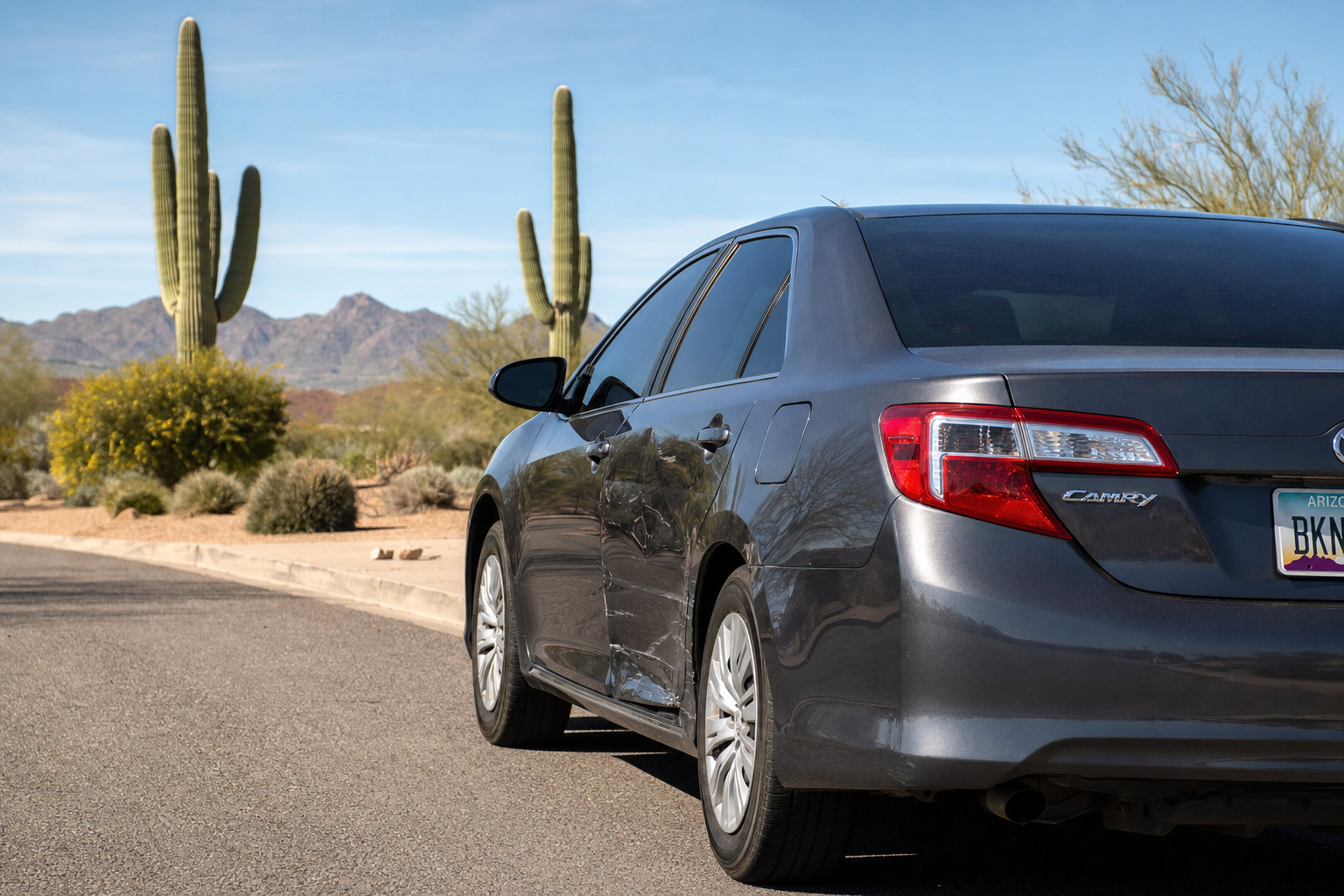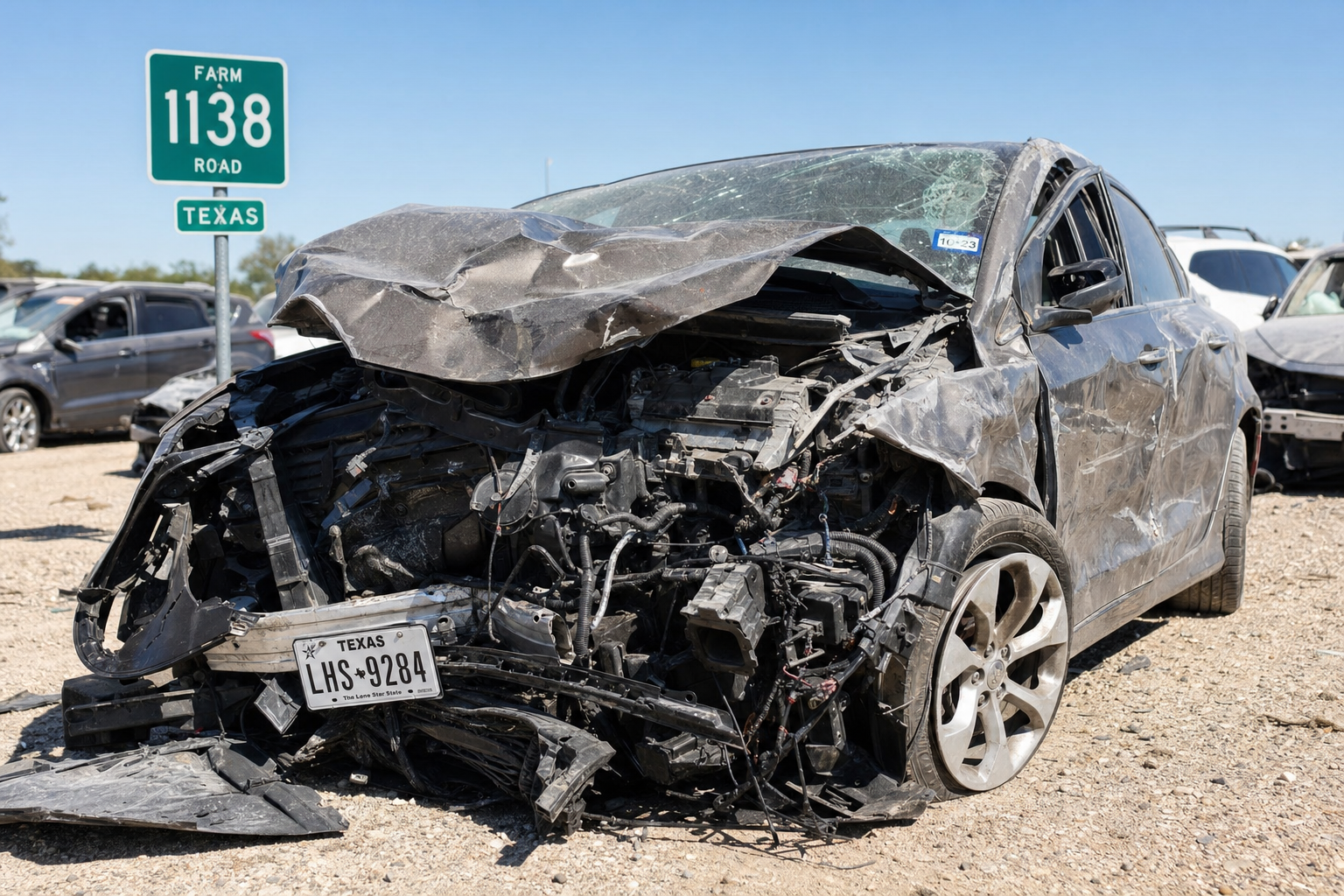
When your car is severely damaged in an accident, understanding how insurance companies determine whether it’s repairable or “totaled” can make a huge difference in your claim outcome. The Texas total loss threshold is a crucial concept for any driver in the state to understand. This guide provides everything you need to know about how insurers define a total loss, what the total loss threshold in Texas is, and what steps to take if your vehicle is declared a total loss.
Whether you’re researching after an accident or simply planning ahead, this comprehensive article explains the process clearly—and shows how Auto Claim Consultants can help you protect your rights and maximize your settlement.
What Is a Total Loss Threshold?
A total loss threshold is the specific point at which the cost to repair a vehicle after an accident exceeds a certain percentage of its pre-damage market value—commonly referred to as the actual cash value (ACV). When repairs surpass this threshold, the vehicle is considered a “total loss,” meaning the insurance company deems it uneconomical to fix.
Insurance companies use this standard to determine whether to pay for repairs or to “total” the vehicle and pay the policyholder the ACV instead. Each state sets its own total loss threshold laws or formulas, which means that how this determination is made can vary widely from one state to another.
The Total Loss Threshold in Texas
So, what is the total loss threshold in Texas? Unlike many states that use a set percentage (like 70% or 80%), Texas uses a 100% total loss threshold. This means a vehicle is declared a total loss when the cost of repairs equals or exceeds100% of its actual cash value before the accident.
In simpler terms, if it would cost just as much—or more—to fix your vehicle as it’s worth, it will be classified as a total loss in Texas. This 100% rule ensures that only vehicles that are truly uneconomical to repair are totaled, but it can also lead to disputes between vehicle owners and insurance adjusters over the actual value and the true cost of repairs.
Implications for Texas Policyholders
For Texas drivers, the 100% total loss threshold can have several implications:
- Fewer total loss declarations: Because the threshold is higher than in many other states, insurers may be more likely to repair vehicles that are close in value to their repair cost, even if doing so seems marginally economical.
- Valuation disputes: Since the decision hinges on the actual cash value, disagreements often arise over how that value is determined. Factors like local market conditions, vehicle options, and mileage adjustments can all influence the ACV—and ultimately, whether your car is totaled.
- Potential for undervalued settlements: If your insurer undervalues your vehicle, you may receive a lower payout than you deserve. That’s where professional assistance becomes invaluable.
How Insurers Determine a Total Loss in Texas
Insurance companies follow a standardized process to assess whether a vehicle meets the Texas total loss threshold. After an accident, an adjuster evaluates:
- The extent of physical damage.
Every damaged component is estimated for repair or replacement. - Labor and material costs.
This includes paint, parts, and professional repair time. - The actual cash value (ACV).
This is the pre-accident market value of your vehicle, based on age, mileage, condition, and comparable local sales.
Once the total estimated repair cost (including supplemental costs such as towing, storage, and rental fees) equals or exceeds the vehicle’s ACV, the car is deemed a total loss under Texas law.
Example Scenario: Calculating a Total Loss in Texas
Let’s imagine you own a 2018 Toyota Camry valued at $18,000 before an accident. After a collision, a repair shop estimates that fixing the vehicle will cost $17,500, and the salvage value (what the car is worth in its damaged condition) is $1,000.
Here’s how the insurer determines if it’s a total loss:
- Actual Cash Value (ACV): $18,000
- Repair Cost: $17,500
- Salvage Value: $1,000
Under Texas’s rule, because the repair cost plus salvage value ($18,500) slightly exceeds the vehicle’s ACV, the insurer may declare it a total loss.
If the repair estimate had been $16,000, however, the car would not meet the Texas total loss threshold, and the insurer might approve repairs instead.
What Happens Once a Car Is Declared a Total Loss in the State of Texas
Once your vehicle is classified as a total loss, several steps occur in the claims and title process:
- Settlement Offer: The insurance company will offer you the actual cash value of the vehicle minus any applicable deductible. You have the right to dispute this amount if you believe the valuation is unfair or inaccurate.
- Title Branding: When a car is deemed a total loss, the Texas Department of Motor Vehicles (TxDMV) requires the vehicle title to be branded as “salvage.” This designation indicates the car was previously deemed uneconomical to repair. If the car is later repaired and inspected, it may receive a “rebuilt salvage” title—but this label will permanently remain in its history.
- Transfer of Ownership: Typically, if the insurer pays the full claim amount, they take ownership of the totaled vehicle. The insurer may sell it to a salvage yard or auction it off for parts.
- Claim Closure: Once payment is issued and the title is transferred, the claim is considered settled. However, disputes over value or salvage deductions can delay or complicate this process.
How Auto Claim Consultants Help Texas Drivers
Navigating the Texas total loss threshold can be challenging, especially when repair estimates, depreciation, and insurer negotiations come into play. Auto Claim Consultants helps Texas drivers protect their financial interests after a total loss by offering independent vehicle valuations, ensuring insurance offers reflect true market value.
We also assist with unfair settlement offers, analyzing claims, and advocating for fair adjustments. With deep experience in Texas insurance laws, our team provides expert negotiation support, managing communication and documentation to secure proper settlements. Partnering with professionals who understand the total loss threshold in Texas gives drivers a clear advantage in recovering the full value of their loss.
Understanding the Texas total loss threshold empowers you to make informed decisions during the claims process. Knowing that Texas applies a 100% rule—and how insurers calculate actual cash value—helps ensure you’re not misled by undervalued offers or repair estimates.
If your car has been declared a total loss or you believe your insurance company’s offer doesn’t reflect your vehicle’s true value, don’t navigate this process alone. Contact Auto Claim Consultants today for personalized support, expert valuation services, and professional guidance to help you maximize your total loss settlement.
FAQs
The total loss threshold in Texas is 100% of a vehicle’s actual cash value (ACV). This means an insurance company declares a car a total loss when repair costs equal or exceed its pre-accident market value.
Insurers calculate your vehicle’s actual cash value and compare it to the estimated repair cost. If repairs meet or exceed 100% of that value, your car is considered a total loss under Texas law.
Once your car is totaled, your insurer pays the vehicle’s ACV minus your deductible. The title is then branded as “salvage,” and ownership typically transfers to the insurance company.
If you believe your insurer undervalued your car, you can challenge their offer. Working with experts like Auto Claim Consultants can help you obtain an independent valuation and negotiate a fair settlement.