When your vehicle is declared a total loss, the claims process can quickly become confusing. Between valuation reports, deductibles, lienholder payments, salvage decisions, and settlement paperwork, it is easy to feel pressured into accepting the first offer. Understanding the State Farm total loss policy can help you make informed decisions, review your valuation carefully, and pursue a fair settlement.
This guide explains how a State Farm total loss claim typically works, how the State Farm total loss payout is calculated, what factors influence the settlement amount, and how to approach State Farm total loss negotiation if you believe your vehicle has been undervalued.
What Is Considered a "Total Loss" According to State Farm?
A vehicle may be considered a total loss by State Farm when it is too damaged to repair safely, when state law requires the vehicle to be declared a total loss, or when the estimated repair cost is too high compared with the vehicle's actual cash value. State Farm's own total loss guidance lists repair cost relative to actual cash value, repair safety, and state legal or regulatory requirements as key total loss considerations.
In practical terms, a vehicle is often treated as a total loss when:
- The vehicle cannot be safely repaired.
- The estimated repair cost equals or exceeds the vehicle's actual cash value minus anticipated salvage value.
- State-specific total loss rules require the insurer to total the vehicle.
- Hidden damage makes repair costs impractical or uncertain.
The central figure in the State Farm total loss policy is the vehicle's actual cash value, often called ACV. This is the market value of your vehicle immediately before the accident or loss, not what you paid for it and not necessarily what it would cost to buy a replacement today.
How the State Farm Total Loss Policy Determines Actual Cash Value

State Farm states that actual cash value is generally determined by factors such as the vehicle's age, condition, equipment, and mileage at the time of the loss.
A typical ACV review may consider:
- Year, make, model, and trim
- Mileage
- Vehicle condition before the accident
- Factory options and added equipment
- Prior damage or accident history
- Local comparable vehicle listings
- Regional market conditions
- Title history
- Demand for similar vehicles in your area
This is where many disputes begin. A valuation report may appear official and detailed, but the final number depends heavily on the accuracy of the information used. A wrong trim level, missing package, incorrect mileage, understated condition rating, or weak comparable vehicle selection can reduce the State Farm total loss payout.
How the State Farm Total Loss Payout Works

The basic State Farm total loss payout is usually calculated as the vehicle's actual cash value minus your deductible. State Farm's total loss page explains that the policy provides payment for the actual cash value of the vehicle, less any applicable deductible. Payment may go to the owner, lienholder, or both.
A simplified payout formula looks like this:
Actual Cash Value – Deductible = Settlement Amount
Depending on your state and policy, applicable taxes, title fees, registration fees, or other required charges may also be included or handled separately. Because these rules vary by state, you should carefully review the settlement breakdown rather than focusing only on the headline ACV number.
Example of a State Farm Total Loss Payout
Suppose State Farm values your vehicle at $22,000 and your collision deductible is $1,000. Your estimated settlement may look like this:
- Actual cash value: $22,000
- Deductible: -$1,000
- Estimated payout before applicable taxes/fees: $21,000
If you still owe money on the vehicle, State Farm may issue payment to your lender, or jointly to you and the lender. If the loan balance is higher than the ACV settlement, gap insurance may help cover the difference if you purchased that coverage through your lender, dealer, or policy provider. State Farm notes that gap coverage may apply when money is still owed to a lender after a total loss.
What Happens If You Have a Loan or Lease?
If your vehicle is financed or leased, the lender or leasing company has a financial interest in the claim. State Farm's process includes giving your finance or leasing company permission to work with State Farm and completing required documents, including title transfer.
In many cases:
- The lienholder is paid first.
- Any remaining settlement balance goes to you.
- If the loan balance exceeds the settlement, you may still owe the difference unless gap coverage applies.
- If the payout exceeds the loan balance, you may receive the remaining funds.
This can be frustrating for policyholders who expected the settlement to fully replace their vehicle. A total loss insurance settlement is based on ACV, not replacement cost, unless your policy includes specific replacement cost coverage.
Can You Keep Your Vehicle After a State Farm Total Loss?
In some cases, you may be able to keep your vehicle after a State Farm total loss. This is often called owner-retained salvage. If you choose this option, the salvage value is usually deducted from your settlement.
Actual Cash Value – Deductible – Salvage Value = Owner-Retained Settlement
Keeping a totaled vehicle can make sense in limited situations, such as when damage is mostly cosmetic or when you have a realistic repair plan. However, it can also create complications. Before keeping the vehicle, consider:
- Whether your state requires a salvage title or rebuilt title
- Whether the vehicle can legally be driven again
- Whether repairs will pass inspection
- Whether future insurance coverage will be limited
- Whether resale value will be significantly reduced
- Whether hidden structural, electrical, or safety damage exists
State salvage rules vary. For example, California requires a salvage certificate after a total loss settlement in certain circumstances, with specific timing requirements. Always check your state's title and registration rules before deciding to retain a totaled vehicle.
Rental Car Coverage After a State Farm Total Loss
If your policy includes rental reimbursement coverage, State Farm may help cover a rental vehicle during the claim. State Farm's total loss guidance tells policyholders to schedule a rental vehicle if their policy includes rental reimbursement and notes that State Farm will advise how long the rental is available.
In many total loss situations, rental coverage does not continue indefinitely. Policyholders are often expected to return the rental shortly after a settlement offer is presented or the claim is resolved. If you rely on a rental, ask the claim representative for the exact return deadline in writing so you are not surprised by out-of-pocket rental charges.
Why State Farm Total Loss Valuations May Be Lower Than Expected
Many policyholders are surprised when the State Farm total loss payout is lower than the price of similar vehicles they see online. Several factors can explain the difference:
- The valuation may use adjusted comparable sales rather than advertised asking prices.
- Comparable vehicles may be from different trims, conditions, or locations.
- Dealer listings may include fees or markups not treated as ACV.
- The report may apply condition adjustments.
- Options or packages may be missing.
- The report may not fully reflect recent market changes.
- The vehicle's pre-loss condition may be rated lower than the owner believes is fair.
A low valuation does not always mean the insurer acted improperly. However, it does mean you should review the report carefully before accepting the offer.
State Farm Total Loss Negotiation: How to Challenge a Low Offer
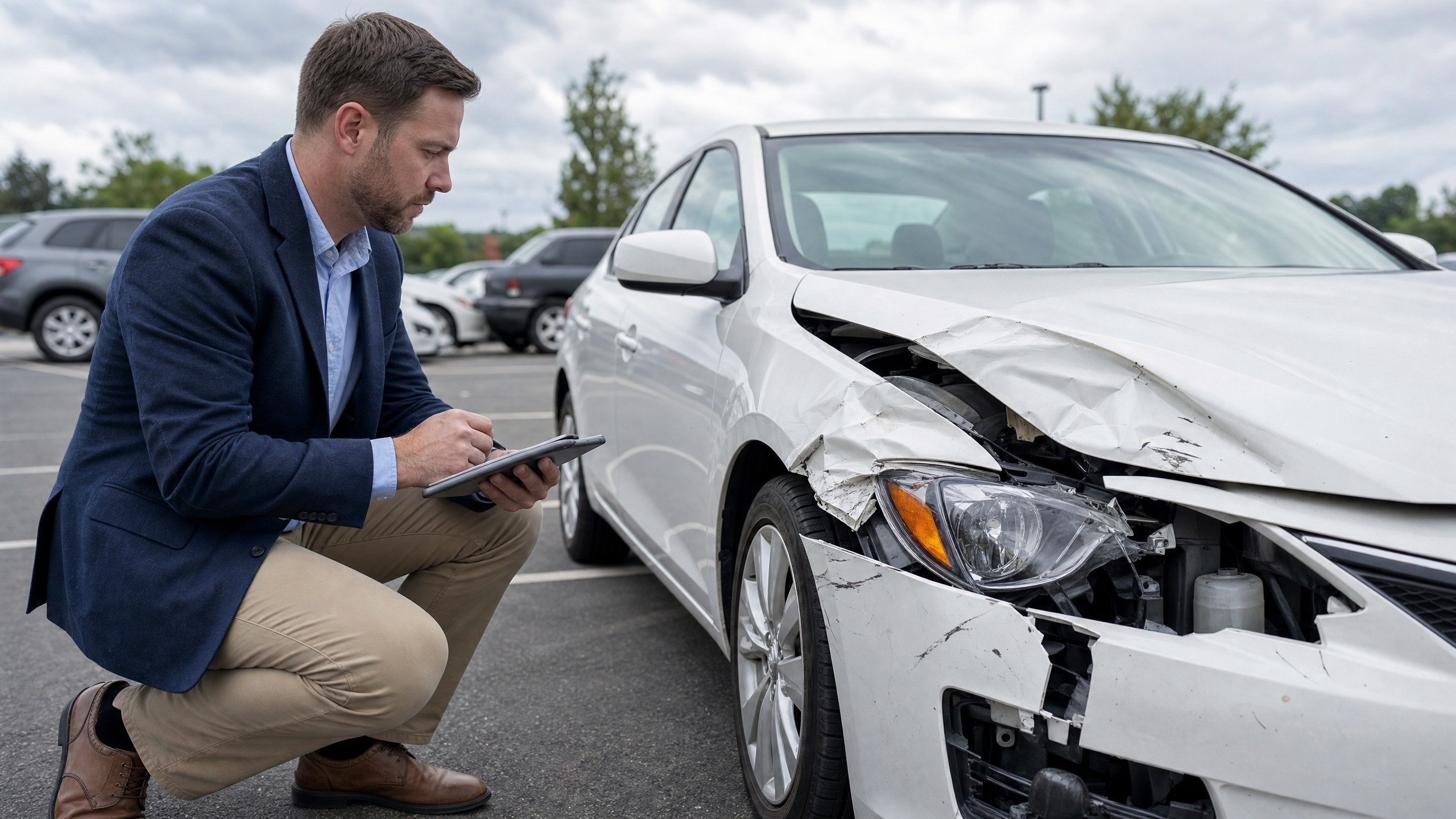
You do not have to treat the first offer as the final word. A strong State Farm total loss negotiation starts with evidence, not emotion. The goal is to show that the valuation report does not accurately reflect your vehicle's actual pre-loss market value.
Useful evidence may include:
- Recent comparable listings from your local market
- Dealer quotes for similar vehicles
- Maintenance records
- Photos showing pre-loss condition
- Receipts for recent major repairs
- Documentation of factory options or packages
- A window sticker or build sheet
- Vehicle history showing clean title and ownership
- An independent appraisal report
When reviewing comparable vehicles, focus on vehicles that closely match yours in year, make, model, trim, mileage, options, drivetrain, condition, and geographic market. Avoid relying on only one high-priced listing. A stronger negotiation package includes several relevant comparables and a clear explanation of why they better represent the market.
What to Do If You Disagree With a State Farm Total Loss Valuation
If you disagree with a State Farm total loss valuation, take a step-by-step approach.
First, request the complete valuation report. Do not rely only on the settlement summary. Review every detail, including the trim, mileage, options, condition ratings, comparable vehicles, adjustments, deductible, taxes, fees, and salvage deductions.
Next, look for errors. Even small mistakes can reduce the settlement. Common issues include missing premium packages, incorrect mileage, wrong trim level, undervalued condition, weak comparable vehicles, or deductions that are not clearly explained.
Then, gather supporting documentation. Send State Farm a written response with your evidence attached. Keep your message clear and organized. Identify the specific items you dispute and explain what correction you are requesting.
You may also ask the claim representative to explain how the comparable vehicles were selected, whether taxes and fees are included, whether any negotiation or market adjustment was applied, how the condition rating was determined, how salvage value was calculated if you want to keep the vehicle, and whether your policy includes an appraisal clause or dispute process.
If the number still does not appear fair, consider hiring an independent auto appraiser before accepting the settlement. An independent appraisal can provide an unbiased vehicle valuation based on market data, condition, options, mileage, and comparable vehicles to increase your State Farm total loss payout. This can be especially helpful when the insurer's report overlooks key value factors or relies on questionable adjustments.
Why the 2026 State Farm Total Loss Settlement Matters
Policyholders should also be aware of recent legal scrutiny involving total loss valuation methods. A 2026 report on the Chadwick v. State Farm settlement describes a $15,583,700 settlement involving Arkansas State Farm total loss claims from November 29, 2016, through October 18, 2021. The case centered on allegations that a valuation tool applied a "typical negotiation adjustment" that reduced comparable vehicle values. The settlement had preliminary approval, with a final approval hearing scheduled for July 15, 2026.
This does not mean every State Farm total loss payout is wrong. It does highlight an important lesson for policyholders: valuation reports should be reviewed carefully, especially when adjustments reduce the value of comparable vehicles. If a report includes a market condition adjustment, projected negotiated price, typical negotiation adjustment, or any unexplained deduction, ask for clarification and consider a professional review.
How an Independent Auto Appraiser Can Help With a State Farm Total Loss Negotiation
An independent auto appraiser can help level the playing field during a State Farm total loss negotiation. Insurance companies rely on valuation systems and internal processes. Policyholders often rely on general internet searches or personal expectations. A qualified appraiser bridges that gap with a detailed, evidence-based valuation.
An independent appraisal may help by:
- Identifying errors in the insurer's valuation report
- Finding stronger comparable vehicles
- Documenting options, packages, and condition
- Reviewing market data from your region
- Preparing a professional valuation report
- Supporting your counteroffer with organized evidence
This is particularly valuable if your vehicle is newer, rare, highly optioned, unusually well maintained, modified, or located in a market where comparable vehicles are selling for more than the insurer's valuation suggests.
About Auto Claim Consultants
Auto Claim Consultants is an independent auto appraiser providing unbiased vehicle valuations for total loss and diminished value claims nationwide. We work directly with vehicle owners — not insurance companies — to review valuation reports, identify errors, and prepare professional appraisals that support fair settlements.
Get Help With Your State Farm Total Loss Claim Today
A State Farm total loss claim can affect your finances, transportation, loan balance, and ability to replace your vehicle. The most important thing you can do is slow down, review the valuation report, confirm the details, and make sure the State Farm total loss payout reflects your vehicle's actual pre-loss value.
The first offer is not always the best offer. If the valuation seems low, use documentation, comparable vehicles, and professional support to strengthen your State Farm total loss negotiation.
If you need help with your State Farm total loss claim, contact Auto Claim Consultants. Our independent auto appraisers can review your valuation, prepare an unbiased vehicle appraisal, and help you fight for a fair settlement.
Disclaimer: Auto Claim Consultants provides independent appraisal and valuation support. We do not guarantee any specific settlement amount, claim result, or increase in value. Our opinions are based on available vehicle information, market data, and appraisal methodology.
FAQs
How does the State Farm total loss policy work?
The State Farm total loss policy generally pays the actual cash value of your vehicle immediately before the loss, minus your deductible. The settlement may also account for taxes, title fees, lienholder payments, and salvage value if you choose to keep the vehicle.
How is a State Farm total loss payout calculated?
A State Farm total loss payout is typically based on the vehicle's actual cash value, which considers factors like age, mileage, condition, trim, options, and local market data. Your deductible is then subtracted from the settlement amount, and any required taxes or fees may be added depending on your state and policy.
Can I negotiate a State Farm total loss payout?
Yes, State Farm total loss negotiation is possible if you believe the valuation is too low. You should request the full valuation report, review it for errors, gather comparable vehicle listings, and provide documentation that supports a higher pre-loss value.