Your Car Was Totaled.
Their Offer Is Too Low.
Insurance companies routinely undervalue total loss vehicles by $2,500–$6,000. As a licensed independent appraiser, we fight to get you the full fair market value — using certified appraisals, real comparable sales data, and your legal right to an independent appraisal.

"Dan got me $4,200 more than my insurance offered."
— Michael R., PA
Important: Once you accept a total loss offer, you can't go back. Get an independent appraisal before you sign anything.
Check your claim →Your Car Was Totaled. Now They're Lowballing You.
You've already lost your vehicle. Now the insurance company is offering thousands less than it's worth. We've helped over 500 people in your exact situation fight back with independent appraisals and recover the fair value they're owed.
We've successfully recovered money from:
Total Loss Appraisals.
When your vehicle is declared a total loss, the insurance company makes you an offer based on their valuation. That number is almost always too low — often by thousands of dollars.
You have the legal right to an independent appraisal. Our certified reports use real comparable sales data from your local market to prove what your vehicle is actually worth — and we handle the dispute with the insurance company for you.
Why Insurance Companies Underpay:
How Much Are You Leaving on the Table?
Example: 2021 Honda CR-V EX
Insurance Company's Offer
$24,200
Actual Fair Market Value
$29,800
Final Settlement (with our report)
$28,900
Additional recovery
+$4,700
from a $250 appraisal investment
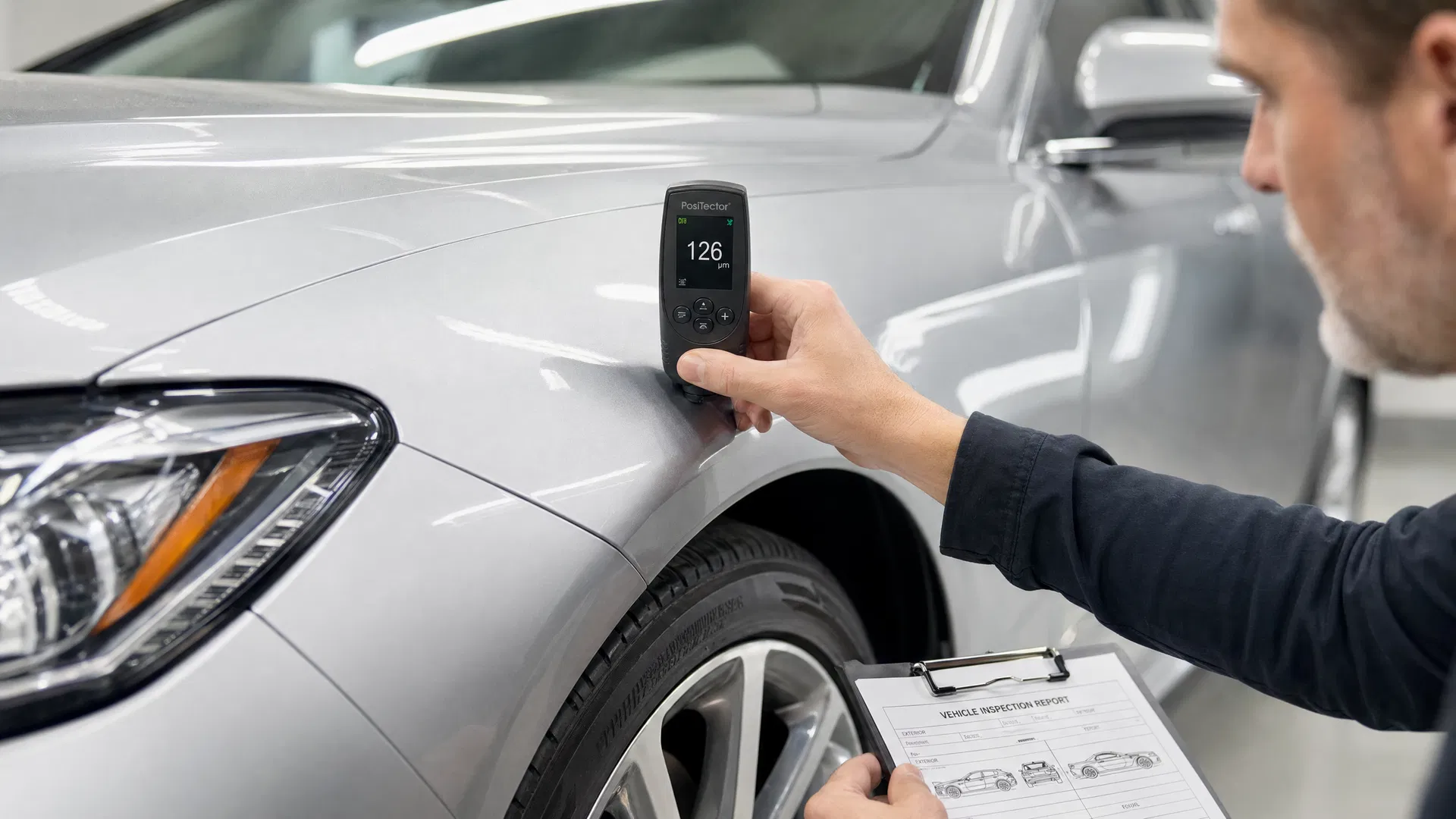
Diminished Value Claims.
If your car was repaired after an accident, it's now worth less because of its accident history — even with a perfect repair. That lost value is called diminished value, and the at-fault driver's insurance owes it to you.
Learn about Diminished Value →Do You Have a Claim?
Answer three quick questions to find out if you qualify. It takes less than 30 seconds.
Were you at fault for the accident?
Total Loss Appraisal Experts.
We specialize in fighting low total loss offers with independent, certified appraisals. Our reports are accepted by every major insurer and have recovered over $2.4 million for vehicle owners.
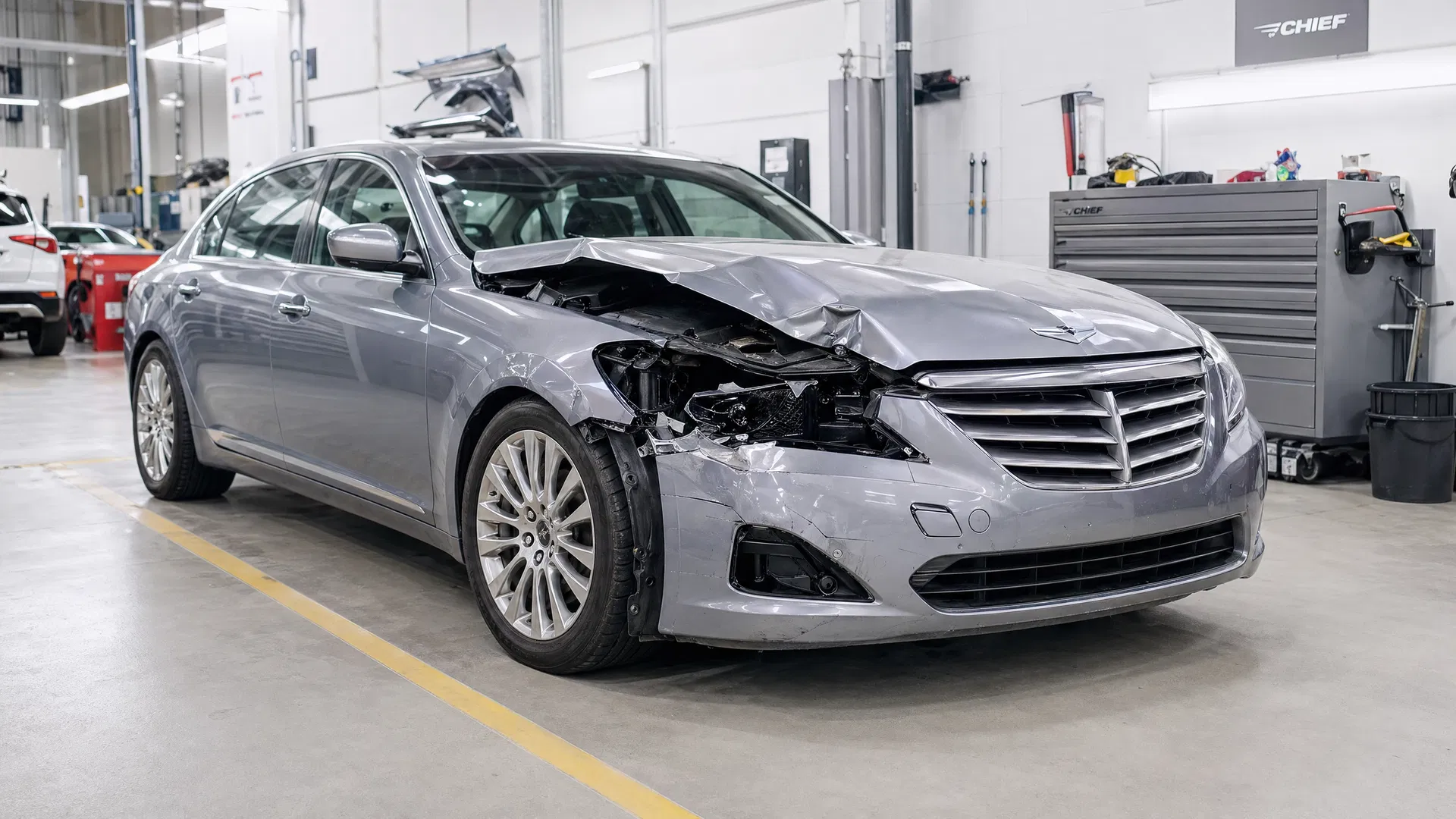
Total Loss Appraisals.
When your vehicle is totaled, insurance companies routinely undervalue it by thousands. You have the right to an independent appraisal — and our certified reports ensure you receive what your car is actually worth.
- Independent fair market valuation using local comparable sales
- Average additional recovery: $2,500–$6,000
- We handle the entire dispute with the insurance company
- Appraisal clause invocation support
- Accepted by every major insurer nationwide
- 97% success rate across 500+ claims
Diminished Value Claims.
Even after a perfect repair, your car is worth less because of its accident history. We document that loss and recover what's yours.
Right to Appraisal.
Most auto policies include an appraisal clause. We help you invoke it, select a qualified umpire, and navigate the process to resolution.
Three Simple Steps.
We've made this as easy as possible so you can focus on getting back to normal.
Tell Us What Happened.
Share your insurance offer and vehicle details via our form, text, email, or phone. We'll review everything at no cost.
We Do the Work.
Our licensed appraiser creates a thorough, independent valuation using real market data and certified methodology.
We Handle Everything.
We submit the appraisal report, negotiate with the insurance company on your behalf, and fight until you receive the fair payout you deserve.
People We've Helped.
These are real settlement increases our clients received after submitting our professional appraisal reports.
2020 BMW X5
vs. Progressive
2019 Toyota 4Runner
vs. State Farm
2021 Honda CR-V
vs. GEICO

"Dan made a stressful situation so much easier."
— Samantha S., Florida
From People Like You.
"Dan is patient and professional. He kept me updated throughout the entire process and got me significantly more than the insurance company offered."
V. Aponte
Pennsylvania
"Dan's expertise was worth every penny! I was stuck in a total loss dispute and he resolved it quickly with a much better outcome."
Samantha Soncini
Florida
"I never post reviews but Dan definitely deserves one! My insurance company tried to lowball me and Dan fought back with real data."
Ariel & Anthony Velez
New Jersey
"Got me $4,200 more than State Farm originally offered on my total loss claim. Professional, fast, and worth every penny."
Michael R.
Texas
Recent Successful Claims
Real recoveries for real people. These are actual settlements our clients received recently.
2020 Ford F-150 Lariat
James R. · TX
"State Farm offered me $28K. Dan's independent appraisal proved it was worth $34,200. Used my right to appraisal."
2021 Subaru Outback Limited
Patricia H. · CA
"I was about to accept their lowball offer. Dan handled everything and got me $4,800 more."
2019 BMW 3 Series 330i
Marcus T. · GA
"GEICO tried to lowball me by $7,200. Dan's certified appraisal report changed everything."

Meet Dan.
Dan Olesniewicz is a licensed auto appraiser with over 15 years of experience. He started Auto Claim Consultants because he saw too many good people getting shortchanged by insurance companies — and he knew he could help.
Dan treats every client like a neighbor. He explains the process clearly, keeps you updated every step of the way, and doesn't stop until you've received fair compensation. His reports are thorough, professional, and respected by insurance adjusters nationwide.
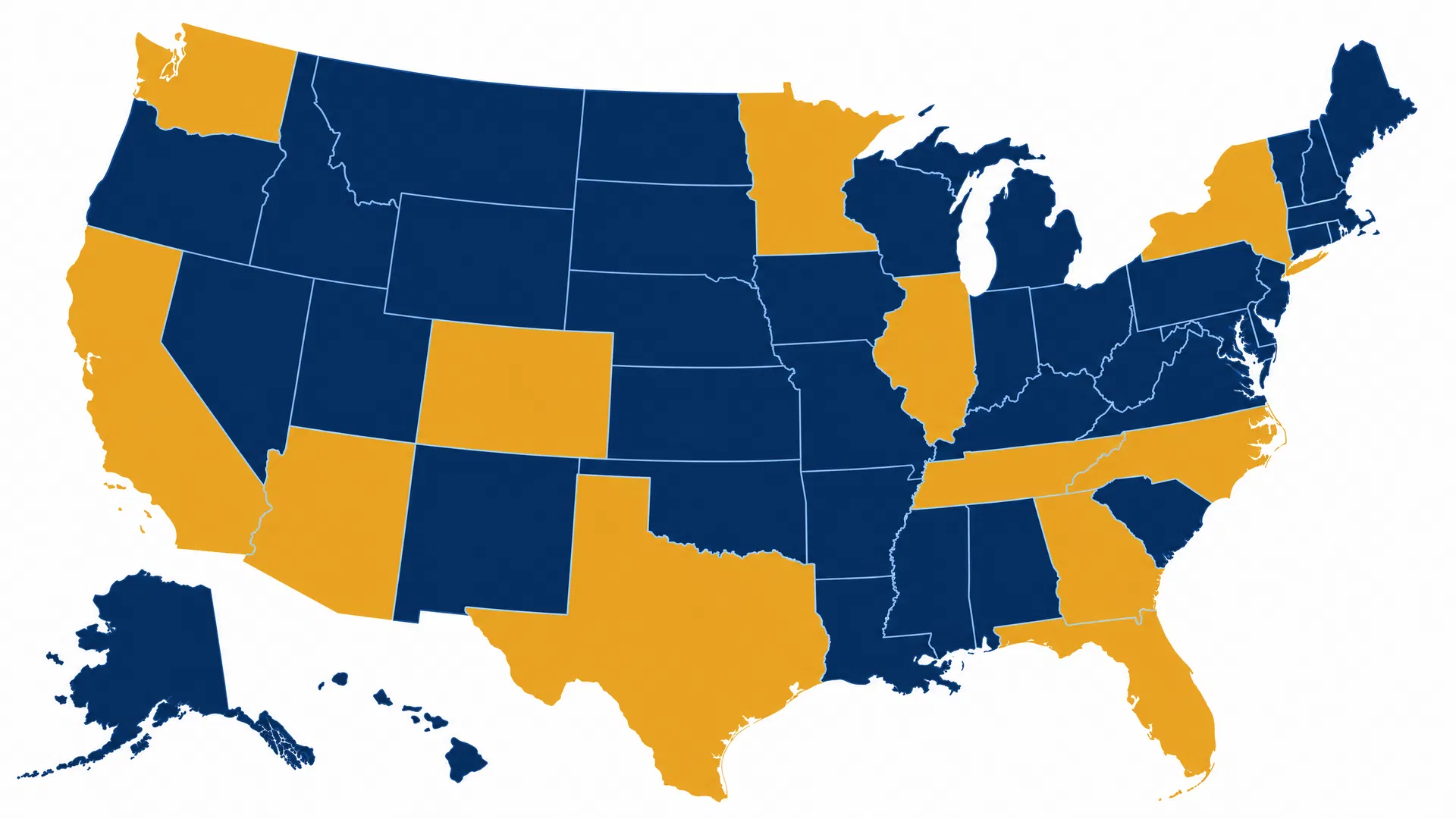
We're Here for You, Wherever You Are.
No matter where your accident happened, we can help. Our process is entirely remote — no need to bring your car anywhere. We know the specific laws in your state and our reports are accepted by every major insurance company.
Questions We Hear Often.
After your vehicle is in an accident and repaired, it loses market value because of its accident history. A diminished value claim recovers that lost value from the at-fault party's insurance company.
Total loss appraisals start at $250 and diminished value appraisals at $400. No hidden fees — you pay once when we deliver your professional report.
Yes. We serve all 50 states. Our reports are accepted by every major insurance company nationwide.
Most reports are completed within 48-72 hours. Rush service is available for urgent claims.
Our reports are professionally prepared and legally defensible. We provide guidance on next steps including appraisal clause invocation and small claims options.
No. Everything is handled remotely. You send us photos and documents — we handle the rest from there.
We're Ready to Help.
Reach out however is most comfortable for you. There's no pressure, no obligation, and no judgment. We're here to answer your questions and help you understand your options.
No obligation · Free initial review · We respond within 24 hours