
TL;DR
- GEICO declares a vehicle a total loss when repair costs and state thresholds make repairs impractical, and it calculates payout based on the vehicle’s pre-accident Actual Cash Value (ACV) using factors like repair estimates, salvage value, and condition.
- If your vehicle is financed, GEICO typically pays the lender up to the ACV and you get any remaining balance or owe the gap if the loan exceeds the payout, and you can keep the car but the settlement will be reduced by its salvage value.
- If you disagree with GEICO’s offer, assemble market-based evidence (comparable sales, repair estimates, photos), call GEICO’s total loss phone number to dispute the valuation, and consider hiring an independent auto appraiser for an objective review.
A GEICO total loss claim can create a lot of uncertainty for policyholders. Once your vehicle is declared totaled, you may need to understand how GEICO determined the value, how the payout is calculated, what happens if your vehicle is financed, whether you can keep the car, and what options you have if you disagree with the valuation.
This comprehensive guide explains the GEICO total loss policy, how GEICO insurance typically handles payouts after a total loss, when to use the GEICO total loss phone number, and how to approach a valuation dispute with organized, market-based documentation. It also explains how an independent auto appraiser may assist with an objective review of vehicle value.
When Is a Vehicle Considered a Total Loss According to GEICO?
A GEICO total loss generally occurs when a vehicle is damaged so severely that repairing it is not practical under the policy and applicable state rules. In many cases, a vehicle may be declared totaled when the cost of repair exceeds the vehicle’s actual cash value or meets the total loss threshold required by state law.
Actual cash value, often called ACV, is the estimated market value of your vehicle immediately before the accident or covered loss. It is not the original purchase price, loan balance, sentimental value, or the cost of buying a brand-new replacement vehicle.
GEICO may consider several factors when determining whether a vehicle is a total loss, including:
- The estimated cost of repairs
- The vehicle’s pre-accident actual cash value
- The vehicle’s salvage value
- The severity and safety impact of the damage
- State-specific total loss rules
- Whether the vehicle can be repaired safely and economically
Some states use specific total loss thresholds, often expressed as a percentage of the vehicle’s value. Because these rules vary by state, two similar vehicles in different states may be handled differently.
How the GEICO Total Loss Policy Works
The GEICO total loss policy focuses on determining the vehicle’s actual cash value and then applying the terms of the insurance policy. If the claim is covered and the vehicle is declared a total loss, GEICO typically issues a settlement based on the vehicle’s pre-loss market value, minus any applicable deductible.

The total loss process usually follows this general sequence:
The claim is reported: You can report a claim online, through the GEICO Mobile app, or by calling GEICO.
The vehicle damage is reviewed: GEICO may review photos, repair estimates, inspection results, and other claim information.
GEICO determines whether the vehicle is repairable or totaled: The decision may depend on repair cost, actual cash value, salvage value, safety concerns, and state law.
The vehicle’s actual cash value is calculated: GEICO reviews vehicle-specific details and market data to estimate what the vehicle was worth immediately before the loss.
A total loss settlement offer is presented: The offer generally reflects actual cash value minus the deductible, with taxes, fees, lienholder payments, and salvage handling addressed based on the policy and state requirements.
Title and ownership documents are completed: If GEICO takes possession of the totaled vehicle, you may need to sign over the title and complete required documents.
How GEICO Determines Actual Cash Value
In a GEICO total loss claim, actual cash value is the foundation of the settlement. GEICO generally evaluates what your vehicle was worth immediately before the accident by reviewing vehicle information and comparable market data.
Common valuation factors may include:
- Year, make, model, and trim
- Mileage
- Pre-loss condition
- Factory options and packages
- Vehicle history
- Prior damage
- Regional market data
- Recent sales or listings for comparable vehicles
- Title status
- Major recent repairs, when documented
For example, a low-mileage vehicle with a desirable trim package and strong maintenance history may have a different market value than a similar model with higher mileage, fewer options, or prior damage. Because small details can affect value, it is important to review the valuation report carefully.
How a GEICO Total Loss Payout Is Calculated
A GEICO total loss payout is usually based on the vehicle’s actual cash value immediately before the accident, minus your deductible. Depending on your state and policy, the settlement may also address sales tax, title fees, registration fees, or other required charges.

A simplified payout formula may look like this:
Actual Cash Value – Deductible = Estimated Total Loss Settlement
For example, if GEICO values your vehicle at $24,000 and your deductible is $1,000, the estimated settlement before any applicable taxes, fees, lienholder payments, or salvage deductions may be $23,000.
The final payout can vary depending on:
- Your deductible
- Whether the vehicle is financed or leased
- Whether you keep the totaled vehicle
- State tax and fee rules
- Title status
- Any unresolved coverage issues
- Loan payoff requirements
What Happens If Your Vehicle Is Financed or Leased?
If your vehicle is financed or leased, the lender or leasing company has a financial interest in the vehicle. In a GEICO total loss claim, the settlement usually goes to the lender or leasing company first.
Common outcomes include:
- If the settlement is greater than the loan balance, the lender may be paid first and the remaining amount may be paid to you.
- If the settlement is equal to the loan balance, the lender may receive the full settlement.
- If the settlement is less than the loan balance, you may still owe the remaining balance.
- If you purchased GAP coverage through a dealer, lender, or another provider, it may help address the difference if the claim qualifies.
GEICO explains that a standard auto insurance policy may reimburse a totaled vehicle based on current value, which can be less than what is still owed on a loan. GEICO does not generally offer GAP insurance as a standard GEICO auto policy product, so policyholders should check with their dealer, lender, lease provider, or separate GAP provider to confirm whether coverage exists.
GEICO Total Loss Phone Number and Claim Contact Options
The commonly used GEICO total loss phone number for claims assistance is:
Policyholders can also use the GEICO Claims Center or GEICO Mobile app to report a claim, check claim status, upload documents, and contact their assigned Auto Damage Adjuster.
Before calling the GEICO total loss phone number, gather the following information:
- Claim number, if available
- Policy number
- Vehicle year, make, model, and VIN
- Accident date
- Vehicle location
- Lender or leasing company information
- Title status
- Current mileage, if available
- Any documents GEICO has requested
Having these details ready can make it easier to get specific information about your claim status, valuation, settlement documents, and next steps.
Can You Keep Your Vehicle After a GEICO Total Loss?
Depending on your state’s regulations and claim circumstances, you may be able to keep your vehicle after a GEICO total loss. This is often called owner-retained salvage.
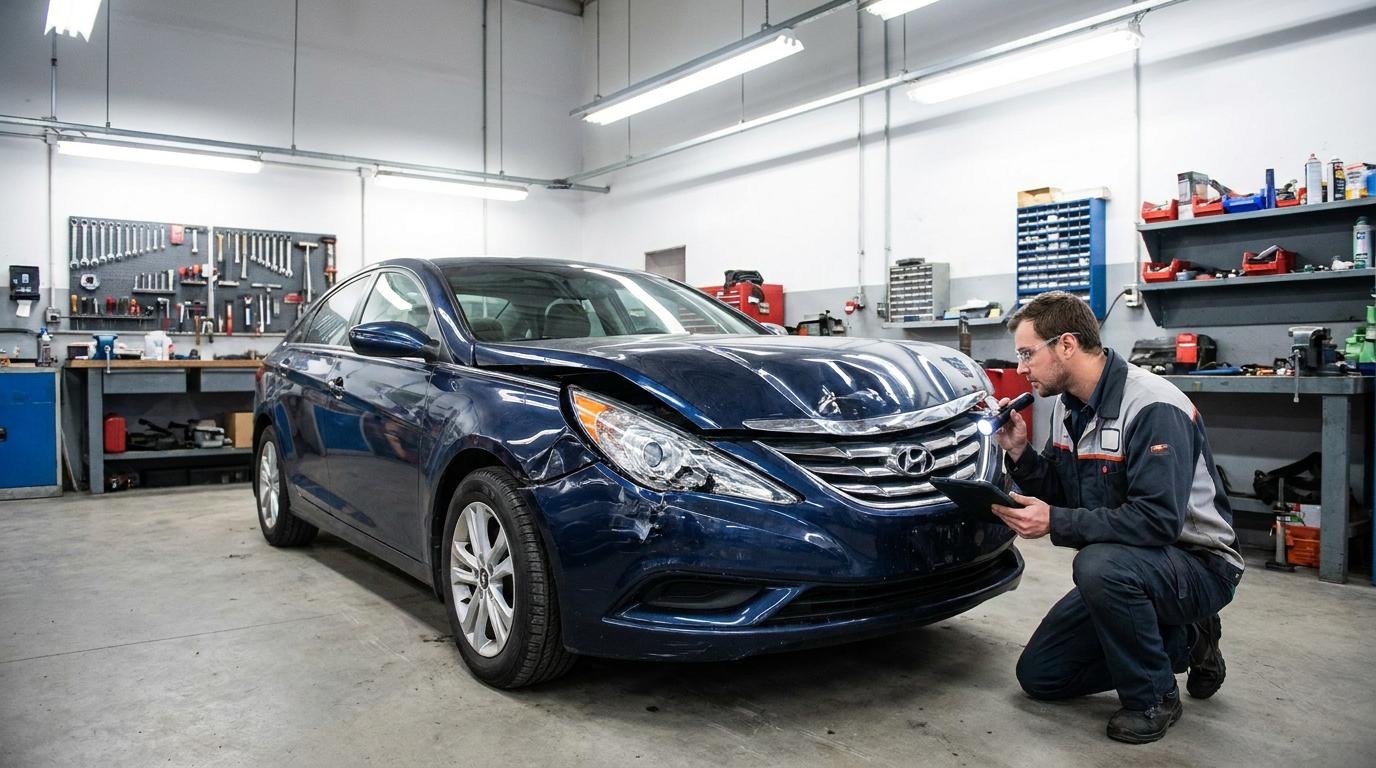
If you keep the totaled vehicle, GEICO will generally deduct the salvage value from your settlement. The salvage value represents what the damaged vehicle may be worth in its post-loss condition.
A simplified owner-retained salvage formula may look like this:
Actual Cash Value – Deductible – Salvage Value = Owner-Retained Settlement
Before deciding to keep a totaled vehicle, consider:
- Whether your state requires a salvage title
- Whether the vehicle must pass inspection before being driven again
- Whether repairs are safe and economically reasonable
- Whether future insurance options may be limited
- Whether resale value will be reduced
- Whether hidden structural, frame, electrical, or safety damage exists
Keeping a totaled vehicle may make sense in some limited circumstances, but it can also create title, repair, registration, insurance, and resale complications.
Why a GEICO Total Loss Valuation May Seem Low
Many policyholders are surprised by the first GEICO total loss offer. A lower-than-expected valuation does not automatically mean the report is incorrect, but it does mean you should review the details before accepting the settlement.
Common reasons a valuation may seem low include:
- Comparable vehicles are not truly similar.
- The wrong trim level is listed.
- Factory options or packages are missing.
- Mileage adjustments appear too aggressive.
- The vehicle’s pre-loss condition is rated too low.
- Recent major repairs were not considered.
- Local market listings show higher comparable values.
- The report includes unclear deductions or adjustments.
- The valuation does not reflect a specific market feature of the vehicle.
The best response is to focus on specific, documentable issues rather than general disagreement.
Tips for GEICO Total Loss Negotiation
A GEICO total loss negotiation should be based on facts, documents, and market evidence. The goal is to communicate valuation findings and supporting documentation clearly so GEICO can review the settlement offer.
Helpful steps include:
- Request the complete valuation report.
- Confirm the vehicle’s year, make, model, trim, mileage, drivetrain, and options.
- Review the condition ratings and compare them with pre-loss photos or records.
- Check whether comparable vehicles are truly similar.
- Gather recent local listings for comparable vehicles.
- Document major recent repairs, such as a new transmission, engine work, tires, or suspension repairs.
- Provide receipts for significant maintenance or upgrades.
- Ask how taxes, fees, deductibles, and salvage value were calculated.
- Review whether an independent appraisal may assist.
A strong valuation response should be organized and specific. Instead of saying the offer is too low, identify what information appears incomplete, inaccurate, or unsupported, and provide evidence that supports your position.
What to Do If You Disagree With GEICO’s Total Loss Valuation
If you disagree with GEICO’s total loss valuation, start by requesting the full written valuation report. You need more than the settlement number; you need to understand how the value was calculated.
Review the report carefully for:
- Incorrect trim level
- Missing options or packages
- Incorrect mileage
- Inaccurate pre-loss condition rating
- Weak or distant comparable vehicles
- Unclear deductions
- Missing recent repair documentation
- Incorrect title or vehicle history information
- Tax or fee omissions, where applicable
Next, gather your own documentation. Useful evidence may include:
- Local comparable vehicle listings
- Dealer quotes for similar vehicles
- Maintenance records
- Receipts for major recent repairs
- Photos showing pre-loss condition
- Window sticker or build sheet
- Vehicle history report
- Documentation of factory options
Then, send a written response to GEICO. Keep your communication professional and focused on the valuation facts. Identify each issue, attach supporting documents, and request a review of the valuation.
If the disagreement continues, review your policy to see whether it includes an appraisal clause or dispute resolution process. Policy language varies, so it is important to follow the specific requirements in your policy.
Before moving further, consider reaching out to an independent auto appraiser. An independent market-based appraisal can provide an objective review of vehicle value, identify valuation concerns, and present valuation findings supported by market data.
How an Independent Auto Appraiser Can Help With a GEICO Total Loss Claim
An independent auto appraiser can provide a documented appraisal review when you have questions about a GEICO total loss valuation. This may be especially useful if your vehicle has unique options, unusually low mileage, extensive maintenance history, major recent repairs, rare trim features, or a local market value that may not be fully reflected in the insurer’s report.
Independent appraisal support may include:
- Fair market value analysis
- Review of GEICO’s valuation report
- Comparable vehicle research
- Condition and equipment review
- Mileage and option analysis
- Supportable valuation opinion
- Written appraisal documentation
- Valuation findings supported by market data
The purpose of an independent appraisal is not to guarantee a higher payout or a specific claim result. The purpose is to provide a fair, accurate, supportable, market-based opinion that can help you better understand the vehicle’s pre-loss value.
About Auto Claim Consultants
Auto Claim Consultants is an independent auto appraisal and valuation service providing unbiased vehicle valuations for total loss and diminished value claims nationwide. We focus on fair, accurate, supportable, market-based opinions using available vehicle information, comparable market data, and appraisal methodology.
Our services include objective review of vehicle value, documented appraisal review, fair market value analysis, and independent appraisal support. If you are dealing with a GEICO total loss claim and have questions about the valuation, Auto Claim Consultants can review whether an independent appraisal may assist and provide appraisal documentation based on the facts of your vehicle and the relevant market.
Get Independent Appraisal Support for Your GEICO Total Loss Claim
If you are navigating a GEICO total loss claim, take time to review the full valuation report before finalizing the settlement. Confirm the vehicle details, evaluate the comparable vehicles, ask questions about unclear adjustments, and consider whether an independent market-based appraisal may help provide a more complete valuation review.
Auto Claim Consultants provides independent appraisal support for policyholders who want a documented, market-based review of their vehicle’s value. Contact Auto Claim Consultants today to discuss your GEICO total loss claim and learn whether an objective appraisal review may support your next steps.
Disclaimer: Auto Claim Consultants provides independent appraisal and valuation support. We do not guarantee any specific settlement amount, claim result, or increase in value. Our opinions are based on available vehicle information, market data, and appraisal methodology.
FAQs
How is a GEICO total loss payout calculated?
A GEICO total loss payout is generally calculated by determining the vehicle’s pre-loss actual cash value and subtracting your deductible. If the vehicle is financed or leased, the settlement may be paid to the lender or leasing company first.
What is the GEICO total loss phone number?
The general GEICO total loss phone number for claims assistance is 1-800-841-3000. You can also manage your claim through the GEICO Claims Center or GEICO Mobile app.
Can I negotiate a total loss offer from GEICO?
Yes, you can request a review of a GEICO total loss offer if you believe the valuation is inaccurate or incomplete. A stronger response usually includes comparable vehicle listings, maintenance records, recent repair receipts, option documentation, and a clear written explanation of your concerns.
What documents help with a GEICO total loss dispute?
Helpful documents may include comparable vehicle listings, dealer quotes, maintenance records, repair receipts, pre-loss photos, a window sticker, build sheet, and vehicle history report. These records can help support an objective review of vehicle value.