
TL;DR
- - Progressive’s total-loss payout is typically the vehicle’s actual cash value immediately before the loss minus your deductible, and loan/lease payoff coverage can help cover outstanding finance balances.
- - Your final settlement depends on your policy coverages, deductible, whether you keep the salvage, state total-loss rules, and the insurer’s repair-versus-value assessment.
- - If you disagree with Progressive’s valuation, get an independent market-based appraisal and comparable sales data, then use their dispute or appraisal process to seek a higher payout.
When your vehicle is declared a total loss after an accident, the claim process can feel confusing, especially if you are trying to understand how the insurance company arrived at its number. A Progressive total loss payout is generally based on the actual cash value, or ACV, of your vehicle immediately before the loss, minus any applicable deductible.
Progressive states that when a vehicle is totaled, comprehensive or collision coverage typically pays the vehicle’s ACV minus the deductible, and loan/lease payoff coverage may help cover part of the remaining loan or lease balance if you carry that coverage.
This guide explains how a Total loss claim from Progressive generally works, how Progressive calculates total loss value, what factors may affect your payout, and what steps to take if you disagree with the valuation. It also explains how an independent market-based appraisal may help you review whether Progressive’s valuation is supported by comparable market data.
What Is a Total Loss Claim From Progressive?
A total loss claim usually occurs when a vehicle is damaged so severely that the cost to repair it is too high compared to the vehicle’s pre-loss value. In some cases, a vehicle may also be considered a total loss if it is unsafe to repair, if repairs exceed a state-specific threshold, or if the insurer determines that repair costs plus salvage value make the vehicle uneconomical to repair.
In a Total loss claim from Progressive, the company reviews the vehicle damage, estimates repair costs, and compares those costs to the vehicle’s actual cash value before the accident. If Progressive determines that the vehicle meets the total loss criteria, the claim typically moves from a repair-focused claim to a valuation and settlement process.
The final settlement may depend on:
- Your policy coverage
- Your deductible
- The vehicle’s pre-loss market value
- Whether the vehicle is financed, leased, or owned outright
- State total loss rules
- Whether you retain the salvage vehicle
- Whether you have loan/lease payoff coverage
How Does Progressive Total Loss Payout Work?
A Progressive total loss payout is generally based on the vehicle’s actual cash value immediately before the accident. Actual cash value is not the same as the price you originally paid for the vehicle, the amount you still owe on a loan, or the cost to buy a brand-new replacement vehicle.
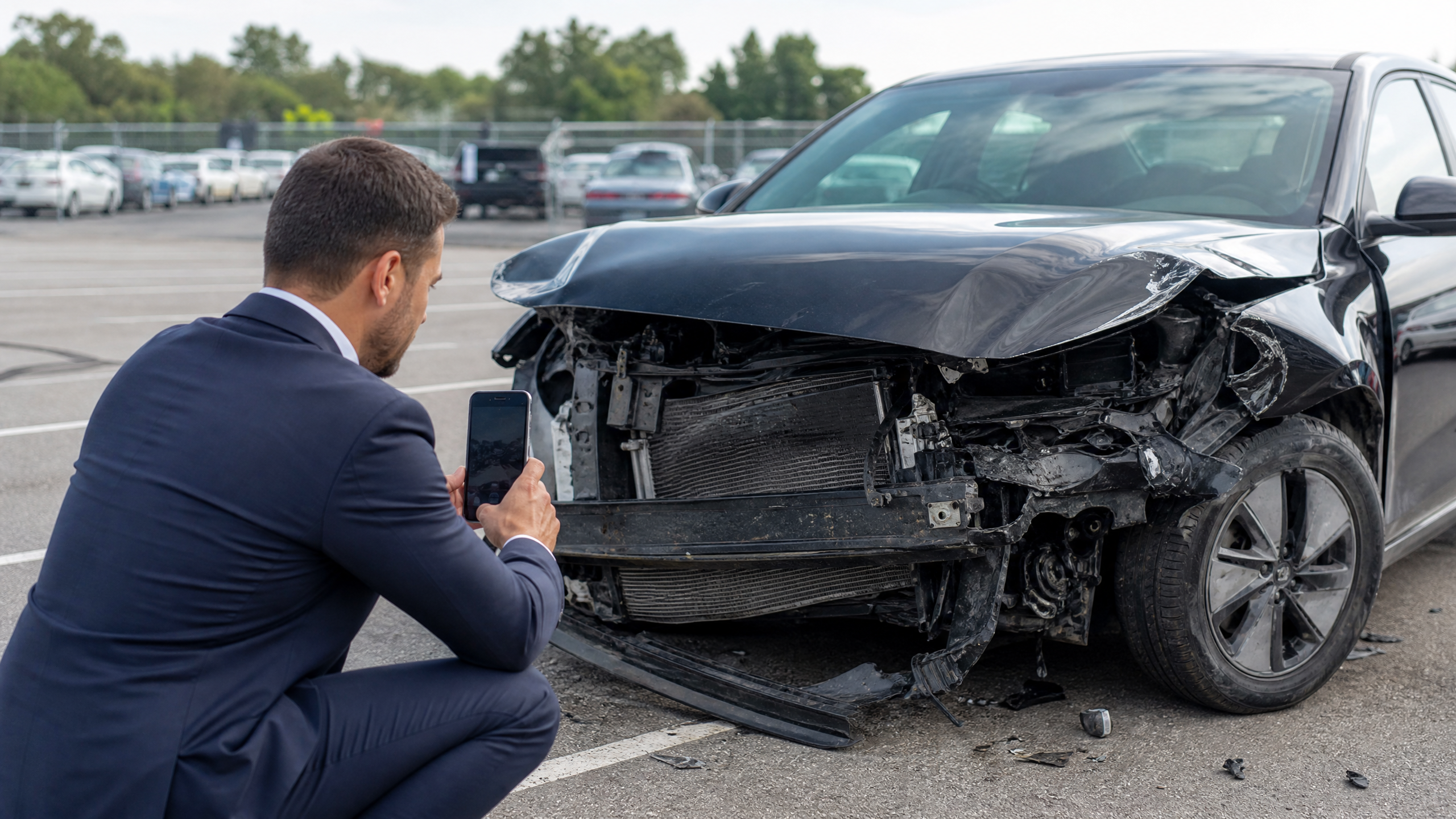
Instead, ACV is meant to reflect the market value of the vehicle before the loss, considering its age, mileage, condition, options, and comparable vehicles in the relevant market. If your claim is covered, Progressive typically applies your deductible to the settlement amount.
For example, if Progressive determines that your vehicle’s ACV is $20,000 and your deductible is $1,000, the settlement may be calculated as:
$20,000 ACV - $1,000 deductible = $19,000 potential payout
This example is simplified. The final amount may also be affected by taxes, title fees, state-specific rules, lienholder payments, salvage deductions, or other policy terms.
How Progressive Calculates Total Loss
Progressive typically evaluates whether a vehicle is a total loss by comparing the estimated cost of repairs against the vehicle’s actual cash value and applicable state requirements. Some states use specific total loss formulas or percentage thresholds, while others allow the insurer to determine whether repair is economically practical.
Once the vehicle is considered a total loss, Progressive then calculates the vehicle’s ACV. According to Progressive’s own claims resources, customers can file and track claims through Progressive’s Claims Center, and Progressive provides claim support through its claims process resources.
Progressive’s valuation process may include a review of:
Vehicle Specifications
The valuation should account for the specific vehicle being evaluated, including:
- Year, make, and model
- Trim level
- Engine and drivetrain
- Factory options
- Technology or safety packages
- Special equipment
- Body style and configuration
Even small differences in trim, mileage, or options can affect the vehicle’s market value. For example, two vehicles of the same year and model may have different values if one has all-wheel drive, a premium package, lower mileage, or upgraded factory features.
Pre-Loss Condition
The vehicle’s condition before the accident is an important part of the valuation. Progressive may consider wear and tear, prior damage, maintenance condition, interior condition, tire condition, paint condition, and whether the vehicle had any pre-existing mechanical or cosmetic issues.
Condition ratings can affect the final ACV. If the valuation report assumes the vehicle was in average condition but you believe it was in above-average condition, documentation may help support your position.
Useful documentation may include:
- Maintenance records
- Recent repair invoices
- Photos taken before the accident
- Receipts for recent tires, brakes, or major service
- Documentation of upgrades or factory options
- Vehicle history information
Mileage
Mileage is one of the most significant factors in a total loss valuation. A vehicle with lower-than-average mileage may be worth more than similar vehicles with higher mileage, while high mileage can reduce market value.
When reviewing Progressive’s valuation, make sure the mileage is accurate. A simple mileage error can affect the final number.
Local Market Data
Progressive may use third-party valuation services and comparable vehicle data to estimate your vehicle’s market value. This may include recent sales, dealer listings, and comparable vehicles in your local or regional market.
When reviewing a valuation, it is important to look closely at the comparable vehicles used. Ask whether they match your vehicle in:
- Year, make, and model
- Trim and options
- Mileage
- Condition
- Location
- Title history
- Dealer vs. private party listing source
- Availability and listing date
If the comparable vehicles are not truly similar, the valuation may deserve a closer review.
What Affects Your Progressive Total Loss Payout?
Several factors can affect the final Progressive total loss payout amount. Understanding these factors can help you review the settlement offer more carefully.

1. Your Vehicle’s Actual Cash Value
The biggest factor is the vehicle’s pre-loss ACV. This is the insurer’s estimate of what your vehicle was worth immediately before the covered accident or loss.
Your ACV may be affected by:
- Market demand for your vehicle
- Local vehicle pricing trends
- Mileage
- Condition
- Factory options
- Accident history
- Prior repairs
- Vehicle age
- Trim level
- Comparable vehicle availability
2. Your Deductible
If your policy includes a deductible for the applicable coverage, Progressive will generally subtract that deductible from the settlement. For example, collision and comprehensive claims often include deductibles, depending on your policy.
3. Whether Your Vehicle Is Financed or Leased
If your vehicle is financed or leased, the total loss payout usually goes to the lender or leasing company first. If the settlement amount is higher than the loan payoff, you may receive the remaining balance. If the settlement amount is lower than what you owe, you may still be responsible for the remaining loan or lease balance unless you have applicable gap or loan/lease payoff coverage.
Progressive states that its loan/lease payoff coverage may help pay the difference between what you owe and the vehicle’s current value, up to the coverage limit, and that this coverage is generally available when both comprehensive and collision coverage are carried.
4. Loan/Lease Payoff Coverage
Progressive’s loan/lease payoff coverage is similar to gap coverage, but it may have limits. Progressive notes that in most states, this coverage is limited to no more than 25% of the vehicle’s value, though the exact limit can vary by state.
This means that if you owe significantly more than the vehicle is worth, loan/lease payoff coverage may not cover the entire remaining balance. It is important to review your policy and speak with Progressive about how your specific coverage applies.
5. State Total Loss Laws
Total loss rules vary by state. Some states use percentage thresholds, while others use a total loss formula or allow insurers to use a practical repair-versus-value analysis.
Because state rules differ, two similar claims in different states may be handled differently. Your title process, salvage rules, tax treatment, and settlement paperwork may also vary depending on where the vehicle is registered.
6. Owner-Retained Salvage
In some cases, you may have the option to keep your totaled vehicle. This is often called owner-retained salvage.
If you keep the vehicle, the insurance company typically deducts the salvage value from the ACV settlement. The vehicle may also receive a salvage title or similar title brand, depending on your state’s rules. Owner-retained salvage can involve additional inspections, repairs, title requirements, and future resale limitations.
Before choosing to keep a totaled vehicle, consider:
- Whether the vehicle can be safely repaired
- Whether repair costs are practical
- State salvage title requirements
- Inspection and registration requirements
- Future resale value
- Insurance availability after repair
- Whether the salvage deduction is reasonable
What to Expect After Filing a Total Loss Claim With Progressive
Every claim is different, but a Total loss claim from Progressive usually follows a general process.
Step 1: File the Claim
You can file a claim online, through Progressive’s app or Claims Center, or by contacting Progressive directly. Progressive’s claims page allows customers to file or view claims online.
Progressive Commercial lists 1-800-776-4737 as the phone number to report a claim, and this is also commonly used for Progressive claims support.
Step 2: Vehicle Inspection
Progressive may inspect the vehicle at a tow yard, body shop, storage facility, or through photos. The adjuster will review the visible damage, repair estimate, and whether the vehicle appears repairable.
In some cases, the total loss decision may be made quickly. In other cases, the process may take longer if the vehicle needs to be moved, inspected in person, or reviewed for hidden damage.
Step 3: Total Loss Determination
If Progressive determines that repair costs are too high compared to the vehicle’s ACV or that the vehicle qualifies as a total loss under state rules, Progressive will move the claim into the total loss process.
At this stage, you may be asked to provide:
- Title documents
- Loan or lease information
- Lienholder details
- Vehicle keys
- Power of attorney forms
- Odometer information
- Registration documents
- Any requested claim forms
Step 4: Valuation Report and Settlement Offer
Progressive will provide a valuation or settlement offer based on its ACV determination. You should request a copy of the full valuation report and review it carefully.
Check for:
- Correct year, make, model, and trim
- Correct mileage
- Accurate options and packages
- Accurate condition rating
- Appropriate comparable vehicles
- Correct deductible
- Correct lienholder information
- Any unexplained adjustments
Step 5: Payment
Once the settlement is accepted and all required documents are complete, payment is usually issued to the appropriate party. If the vehicle is financed or leased, the lender or leasing company is typically paid first. If you own the vehicle outright, payment may be issued directly to you, subject to policy terms and state requirements.
Payment may be issued by check, electronic payment, or another approved method depending on Progressive’s process and your claim details.
How Long Does a Progressive Total Loss Payout Take?
The timeline for a Progressive total loss payout can vary based on the claim complexity, vehicle location, title status, lienholder response time, and how quickly required documents are submitted.
A simple total loss claim may move through inspection, valuation, and payment relatively quickly. However, delays can happen when:
- The vehicle is at a tow yard or storage facility
- The title is missing
- A lienholder must provide payoff information
- The vehicle has multiple owners
- The valuation is disputed
- Coverage is still being investigated
- There are state-specific title or salvage requirements
- Loan/lease payoff or gap-related coverage must be reviewed
Progressive notes that gap insurance claims can take several weeks in some cases because the vehicle insurer must determine ACV and the gap provider must verify loan or lease details before payment.
What Happens If You Still Owe Money on a Totaled Vehicle?
If you still owe money on your vehicle, Progressive’s total loss payment generally goes to your lender first. The lender will apply the payment to your outstanding loan balance.
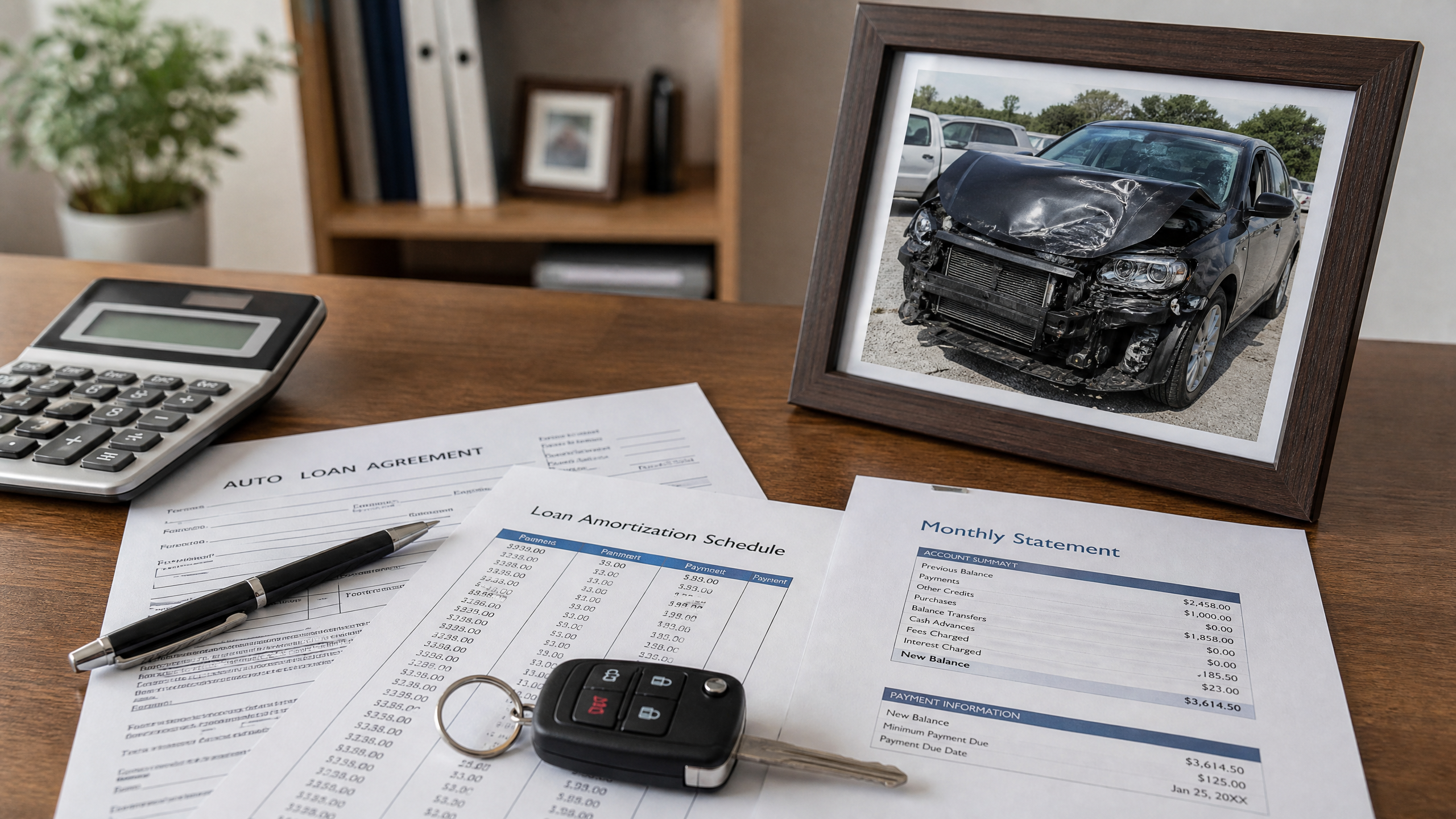
There are three common outcomes:
1. The Settlement Is More Than the Loan Balance
If the ACV settlement exceeds the loan payoff, the lender is paid first, and you may receive the remaining balance.
2. The Settlement Equals the Loan Balance
If the settlement matches the payoff amount, the lender is paid, and you may not receive additional funds.
3. The Settlement Is Less Than the Loan Balance
If you owe more than the vehicle’s ACV, you may still be responsible for the difference. Loan/lease payoff coverage or gap coverage may help, but coverage limits and policy terms apply.
This is why it is important to review both your Progressive policy and your loan or lease documents.
Can You Negotiate a Progressive Total Loss Payout?
You can question or dispute a valuation if you believe the ACV does not reflect your vehicle’s pre-loss market value. This does not mean the valuation is automatically incorrect, but it does mean you should review the report carefully and provide supportable information if you disagree.
Helpful support may include:
- Comparable vehicle listings from your local market
- Recent sales data
- Documentation of factory options
- Receipts for recent major repairs or maintenance
- Photos showing pre-loss condition
- An independent market-based appraisal
- A documented appraisal review identifying valuation concerns
The goal should be to provide a supportable valuation opinion based on market data, not simply to request a higher number without documentation.
What to Do If You Disagree With Progressive’s Total Loss Payout Amount
If you disagree with Progressive’s total loss valuation, take a careful and organized approach. A well-documented response is more useful than a general disagreement.
1. Request the Full Valuation Report
Ask Progressive for the complete valuation report used to calculate your settlement. Review every detail, including the comparable vehicles, condition adjustments, mileage, options, and deductions.
2. Check for Vehicle Information Errors
Look for basic mistakes that could affect the valuation, such as:
- Wrong trim level
- Missing factory options
- Incorrect mileage
- Incorrect condition rating
- Incorrect drivetrain
- Missing packages
- Wrong vehicle history
- Inaccurate deductible
- Incorrect lienholder details
Even small errors may affect the final ACV.
3. Review the Comparable Vehicles
Comparable vehicles should be reasonably similar to yours. If the report uses vehicles with higher mileage, lower trim levels, different options, older listings, distant markets, or questionable availability, those comparables may not provide the best support for the valuation.
4. Gather Your Own Market Data
Search for similar vehicles in your local or regional market. Focus on vehicles that match yours as closely as possible in year, make, model, trim, mileage, options, and condition.
Save screenshots or PDFs of listings, including:
- Listing price
- Mileage
- Trim
- Options
- Dealer or seller location
- VIN if available
- Date accessed
- Vehicle condition details
5. Provide Documentation for Condition and Options
If your vehicle had recent maintenance, new tires, upgraded equipment, or above-average condition, gather records that support those facts. Documentation is especially useful when it directly relates to market value.
6. Consider an Independent Auto Appraiser
Before responding to Progressive’s valuation, you may want to review whether an independent appraisal may assist. An independent auto appraiser can provide an objective review of vehicle value, evaluate comparable market data, and prepare a supportable valuation opinion based on documented appraisal methodology.
An independent market-based appraisal may help identify whether the settlement offer appears consistent with available market data or whether there are valuation concerns worth presenting to Progressive.
7. Communicate Clearly and Keep Records
When you contact Progressive, keep your communication organized and professional. Provide your valuation findings and supporting documentation in a clear format. Keep copies of emails, valuation reports, photos, comparable listings, and all claim-related documents.
You can contact Progressive through its Claims Center or claims phone support. Progressive lists online claim filing and claim viewing options on its claims page.
How an Independent Appraisal Can Help With a Progressive Total Loss Claim
An independent appraisal does not guarantee a specific settlement result or a higher payout. However, it can provide a documented appraisal review that helps you better understand whether the insurer’s valuation is supported by market data.
An independent appraiser may review:
- Progressive’s valuation report
- Comparable vehicles used in the report
- Local market listings
- Vehicle options and trim
- Mileage and condition
- Pre-loss photos and records
- Recent maintenance or repair documentation
- Market-based value indicators
The purpose of this process is to develop an objective valuation opinion supported by market data. This can help you communicate valuation findings and supporting documentation during the claim review process.
About Auto Claim Consultants
Auto Claim Consultants is an independent auto appraisal and valuation service providing unbiased vehicle valuations for total loss and diminished value matters nationwide. Our work focuses on fair, accurate, supportable, market-based opinions using available vehicle information, comparable market data, and appraisal methodology.
For policyholders reviewing a Progressive total loss payout, Auto Claim Consultants can provide independent appraisal support, documented appraisal review, and fair market value analysis. Our goal is to help vehicle owners better understand the valuation evidence available in their claim and communicate valuation findings with supporting documentation.
Contact Auto Claim Consultants for Help Reviewing Your Progressive Total Loss Claim
If you are dealing with a Total loss claim from Progressive and have questions about the valuation, Auto Claim Consultants can help you review whether an independent appraisal may assist. A supportable valuation opinion can provide clarity when you are trying to understand the basis for a total loss settlement and whether the market data supports the amount offered.
Contact Auto Claim Consultants today to request independent appraisal support for your Progressive total loss claim. Our team can review the available vehicle information, evaluate market-based data, and provide a documented appraisal opinion to help you better understand your vehicle’s pre-loss value.
Disclaimer: Auto Claim Consultants provides independent appraisal and valuation support. We do not guarantee any specific settlement amount, claim result, or increase in value. Our opinions are based on available vehicle information, market data, and appraisal methodology.
FAQs
How does Progressive determine if a car is a total loss?
Progressive may declare a vehicle a total loss when the cost to repair it is too high compared to its actual cash value, or when state total loss rules require the vehicle to be totaled. The decision usually depends on repair costs, pre-loss vehicle value, salvage value, and applicable state laws.
What is a Progressive total loss payout based on?
A Progressive total loss payout is generally based on the actual cash value, or ACV, of the vehicle immediately before the accident. This amount may be reduced by your deductible and may also be affected by lienholder payments, salvage deductions, and policy terms.
How long does a Progressive total loss payout take?
The timeline can vary depending on inspection, title paperwork, lienholder response times, and whether the settlement is disputed. Once the valuation is accepted and all required documents are complete, payment is often issued shortly after, but complex claims may take longer.
Can I dispute a Progressive total loss payout?
Yes, you can dispute a Progressive total loss payout if you believe the valuation does not accurately reflect your vehicle’s pre-loss market value. It is helpful to request the full valuation report, review it for errors, and provide supporting documentation such as comparable listings, maintenance records, photos, and an independent appraisal.